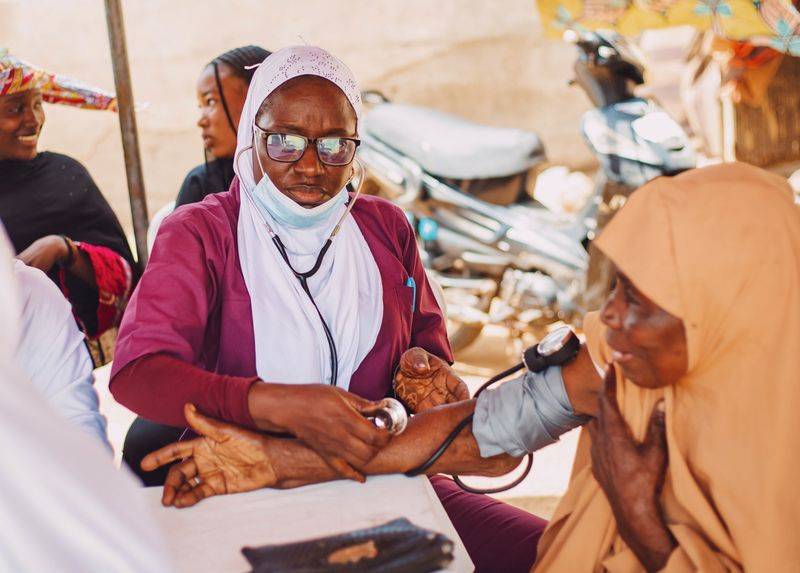
A blood pressure cuff on a folding table can reach people who haven't seen a GP in years. That's the logic of a community health event: take screening, vaccines and advice to a park, a shopping centre or a club, then steer anyone at risk back into the clinic. Most local clinics that run one well follow the same pattern, with council approval and insurance first, a short menu of evidence-based checks, strict rules for vaccines and privacy, and a booked follow-up for everyone who needs it.
What a community health day is for
Think of the day as a referral desk with a marquee over it. Nobody leaves with a diagnosis; they leave with a blood pressure number, an AUSDRISK score or a vaccine record, a sentence of plain explanation, and an appointment time written on a slip.
Who runs them
General practices, Aboriginal community controlled health services, pharmacies, councils, Primary Health Networks and community health centres all run versions. Some piggyback on a national awareness week. Heart Week ran from 4 to 10 May 2026, and North Sydney Council listed a Heart Week 2026 event on its calendar. Men's Health Week followed from 15 to 21 June 2026, when Western Sydney University urged men to see their GP.
Why the timing matters
A national week brings free posters, media attention and a ready reason for people to stop. It also means competition for venues and volunteers, so clinics often book council spaces months ahead.

The stations most health days offer
Fifteen stalls of brochures look busy in photos and produce few bookings. Five or six stations, each staffed by someone trained and each ending in a referral, tend to do better.
| Station | Who usually runs it | Evidence or rule behind it | Next step offered |
|---|---|---|---|
| Blood pressure | Practice nurse or GP | Recording blood pressure is a required part of a Heart Health Check | Book a Heart Health Check if eligible |
| Diabetes risk (AUSDRISK) | Nurse, diabetes educator or trained volunteer | Score of 12 or more is high risk | GP visit and blood glucose test |
| Flu or other vaccines | Registered nurse, GP or pharmacist immuniser | Cold chain +2°C to +8°C, 15 minute observation | Record on the immunisation register |
| Heart risk conversation | GP or nurse | Heart Health Check eligibility from 45 (30 for First Nations people) | 20-minute consult at the clinic |
| Local services stall | Allied health, council, community groups | Referral directory | Brochure plus contact name |
Source: Heart Foundation; Diabetes Australia; Australian Government Department of Health, Disability and Ageing; Australian Immunisation Handbook (checked 18 November 2026).
Blood pressure and heart risk
The Heart Foundation explains that Heart Health Checks have been supported by Medicare since April 2019, through item 699 for GPs and item 177 for other eligible practitioners. Adults aged 45 and over, or 30 and over for Aboriginal and Torres Strait Islander people, who aren't already known to have cardiovascular disease, can have one every 12 months. The check is a 20-minute consultation that must include a blood pressure reading.
That makes a blood pressure station a natural lead-in. A reading at the stall isn't the check itself, but it gives the nurse a reason to say, "You're eligible for a Medicare-supported check, can we book you in?"
Type 2 diabetes risk
Diabetes Australia's risk calculator uses 11 questions covering age, family history, blood pressure, smoking, diet, activity and waist measurement. A score of 5 or less is low risk, 6 to 11 is medium, and 12 or more is high. For scores of 20 or above, the tool says a person may already have undiagnosed diabetes. A tape measure and a printed AUSDRISK form are cheap, quick and easy to explain.

Which approvals does a clinic need?
Councils own most parks and community halls, so they hold most of the paperwork. Taking a stall at a council-run festival shifts the event application onto the organiser, which is why many clinics start that way.
Council event applications
Wingecarribee Shire Council's insurance and risk page is typical. Organisers must give the council a certificate of currency showing the event is covered to $20 million in public liability, and every food and drink vendor must supply its own. The council also wants a written risk assessment listing hazards such as equipment failure, lost children, severe weather and moving vehicles.
First aid and emergencies
The same council requires a first aid plan with qualified providers, signposted first aid areas and space on the site plan for emergency vehicles. Larger events need a written emergency response plan with evacuation routes and assembly points. A clinic giving injections needs its own anaphylaxis kit at the vaccination station, separate from general event first aid.
Insurance beyond public liability
Public liability covers injury to the public at the venue. Clinicians also need professional indemnity for clinical work away from the practice, so it's worth asking the insurer in writing whether off-site events are covered before the day.
How do clinics handle vaccines off site?
Vaccines are the station with the least room for error. The federal health department says vaccines are fragile biological substances and can become less effective, or ineffective, outside +2°C to +8°C. Its storage and handling guidance adds that domestic fridges, including bar fridges, aren't suitable.
Keeping the cold chain
For outreach work, clinics follow the National Vaccine Storage Guidelines, known as Strive for 5, which include a checklist and temperature chart for mobile and outreach clinics. In practice that means a validated cooler, a calibrated thermometer or data logger, temperatures recorded through the day, and shade for the cooler on a hot afternoon.
If temperatures go outside range, the department's instruction is clear: don't use the vaccines and don't throw them out. Isolate them and contact the state or territory health authority for National Immunisation Program stock, or the manufacturer for privately bought vaccines.
Observation and staffing
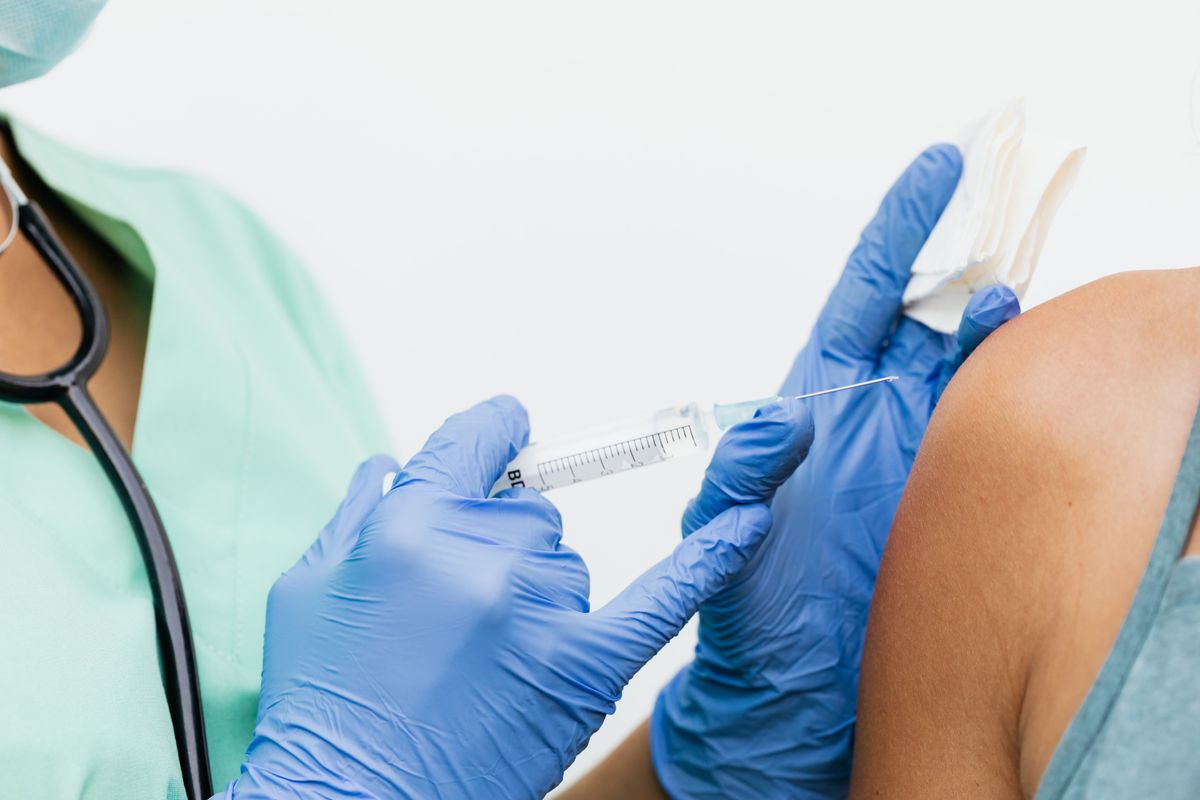
The Australian Immunisation Handbook says people should stay under observation for at least 15 minutes after vaccination so any immediate reaction can be treated quickly. That means chairs, shade and a staff member watching the waiting area, which takes more space than many organisers expect. Only suitably trained and qualified people can give vaccines, and each state sets its own accredited training for nurse immunisers.
Privacy at a folding table
Health details shared at a stall are still health information. The Office of the Australian Information Commissioner says a business providing a health service is covered by the Privacy Act regardless of turnover.
Consent and notice
The OAIC's guide to collecting health information says providers can collect it with consent, express or implied, when it's reasonably necessary for their activities. Notice of how it will be used should generally come before or at the time of collection.
Setting up the space
The same guide notes that people may be embarrassed discussing health in open areas, and suggests lowering your voice, taking the person aside or using a private room. At an outdoor event, that can be as simple as a screened corner of the marquee for blood pressure readings and a clipboard that faces the clinician, not the queue.
A planning timeline that works
This timeline is a suggested structure based on the council, privacy and vaccine requirements above. Adjust it to the size of the event.
| When | Task |
|---|---|
| 12 weeks out | Pick the date, check awareness weeks, contact the council events team |
| 10 weeks out | Lodge the event or stall application with the site plan |
| 8 weeks out | Confirm public liability and professional indemnity in writing |
| 6 weeks out | Choose stations, roster clinicians, order vaccines if offering them |
| 4 weeks out | Print AUSDRISK forms, privacy notices and referral slips |
| 2 weeks out | Promote through the clinic, council newsletter and local groups |
| 1 week out | Check cooler, data logger, anaphylaxis kit and first aid supplies |
| Event day | Log temperatures, record referrals, book follow-ups on the spot |
| 1 to 4 weeks after | Call people who were referred but haven't booked |
Source: Wingecarribee Shire Council event requirements; Australian Government Department of Health, Disability and Ageing; OAIC (checked 18 November 2026). Timeline is a planning guide.

How do you get people to stop at the stall?
The hardest part of a health day is the first ten seconds. People walk past tables of brochures. They stop for something to do.
Low-pressure hooks
Practical draws include a free blood pressure reading with no appointment, a two-minute diabetes quiz, a walking challenge with a pedometer or a kids' activity that keeps children busy while a parent talks to the nurse. Partnering with a local sports club, library or shopping centre also brings foot traffic the clinic couldn't attract alone.
Using event extras
Some organisers add a photo station so families leave with a printed photo carrying the clinic's name and the key health message. In Sydney, a Sydney photo booth hire company can supply booths with instant QR code sharing and online galleries, which also helps the clinic share event photos afterwards with permission from the people pictured. Keep it well away from the clinical stations so privacy isn't compromised.
Language and access
Translated AUSDRISK forms, an interpreter on call through the Translating and Interpreting Service, step-free access and seating near the waiting area all widen who can take part. Ask local multicultural groups which languages to prepare for before you print.
Following up after the day
The appointments booked at the table are only half the job. People get busy, forget, or decide the reading was a one-off. A clinic that plans its recall before the event will convert far more referrals than one that waits to see who rings.
Recall methods that clinics already use
The Heart Foundation's guidance for practices suggests reminder letters, phone calls and text messages to recall patients eligible for a Heart Health Check, plus clinical software flags so eligible patients are reviewed next time they attend. It also suggests attaching checks to other preventive or chronic disease visits. The same tools work for health day referrals, provided the person consented to being contacted when they gave their details.
Who should make the call
A nurse who met the person at the event is usually the best caller, because the conversation starts from a shared memory: "We checked your blood pressure at the Heart Week stall on Saturday." Set a rule such as a call within seven days for anyone with a high AUSDRISK score or raised reading, and a second attempt a fortnight later.
Common mistakes and fixes
| Mistake | What happens | Fix |
|---|---|---|
| Collecting phone numbers without saying why | People decline or the clinic can't lawfully recall them | Privacy notice at each station explaining follow-up contact |
| Too many stations | Long queues, rushed checks, few referrals | Five or six stations with trained staff |
| Vaccines in an esky with no logger | Unknown temperatures, stock may be unusable | Validated cooler and data logger, hourly records |
| No booking access on site | Referrals drift away | Laptop or tablet with the clinic's booking system |
| No observation seating | People leave straight after a vaccine | Shaded chairs within sight of the immuniser |
Source: Heart Foundation; OAIC; Australian Government Department of Health, Disability and Ageing (checked 18 November 2026).
Measuring whether it worked
Count four things on the day: people who stopped, checks completed, referrals made and appointments booked. Then count a fifth a month later: referred people who actually attended.
A simple results sheet
| Measure | How to record it | Why it matters |
|---|---|---|
| Attendees | Tally at the welcome table | Shows reach |
| Checks done | Station logs | Shows workload |
| High-risk results | AUSDRISK 12 or more, raised blood pressure | Shows need |
| Appointments booked | Booking system on the day | Shows conversion |
| Attended within 4 weeks | Practice software follow-up | Shows real impact |
Source: Diabetes Australia AUSDRISK scoring; Heart Foundation Heart Health Check guidance (checked 18 November 2026).
The last line is the one funders, councils and practice owners care about. A day with 300 visitors and 12 completed follow-ups may do more good than one with 1,000 visitors and none.
Before you decide
Run a community health event as a referral pathway with a short list of evidence-based checks: blood pressure, AUSDRISK, and vaccines only if you can keep the cold chain and staff a 15 minute observation area. Sort council approval, $20 million public liability and professional indemnity early, use a privacy notice at every station, and book follow-up appointments before people leave the table. Then measure who came back.
Sources
- Heart Foundation, "For professionals: Heart Health Checks", accessed 18 November 2026, https://www.heartfoundation.org.au/for-professionals/heart-health-checks
- Diabetes Australia, "Australian type 2 diabetes risk assessment tool", accessed 18 November 2026, https://www.diabetesaustralia.com.au/risk-calculator/
- Australian Government Department of Health, Disability and Ageing, "Storing, handling and administering vaccines", accessed 18 November 2026, https://www.health.gov.au/topics/immunisation/vaccination-clinical-support-for-health-professionals/storing-handling-and-administering-vaccines
- Australian Immunisation Handbook, "After vaccination", accessed 18 November 2026, https://immunisationhandbook.health.gov.au/contents/vaccination-procedures/after-vaccination
- Office of the Australian Information Commissioner, "Chapter 2: Collecting health information", accessed 18 November 2026, https://www.oaic.gov.au/privacy/privacy-guidance-for-organisations-and-government-agencies/health-service-providers/guide-to-health-privacy/chapter-2-collecting-health-information
- Office of the Australian Information Commissioner, "What is a health service provider?", accessed 18 November 2026, https://www.oaic.gov.au/privacy/your-privacy-rights/health-information/what-is-a-health-service-provider
- Wingecarribee Shire Council, "Insurance and Risk Management", accessed 18 November 2026, https://www.wsc.nsw.gov.au/Business/Hold-an-Event/Insurance-and-Risk-Management
- North Sydney Council, "Heart Week 2026", accessed 18 November 2026, https://www.northsydney.nsw.gov.au/events/event/1488/heart-week-2026
- Western Sydney University, "Don't put it off: Aussie men urged to visit their GP this Men's Health Week", accessed 18 November 2026, https://www.westernsydney.edu.au/news-centre/stories/2026/dont-put-it-off-aussie-men-urged-to-visit-their-gp-this-mens-health-week
- Australian Government Department of Health, Disability and Ageing, "National Vaccine Storage Guidelines: Strive for 5", accessed 18 November 2026, https://www.health.gov.au/resources/publications/national-vaccine-storage-guidelines-strive-for-5