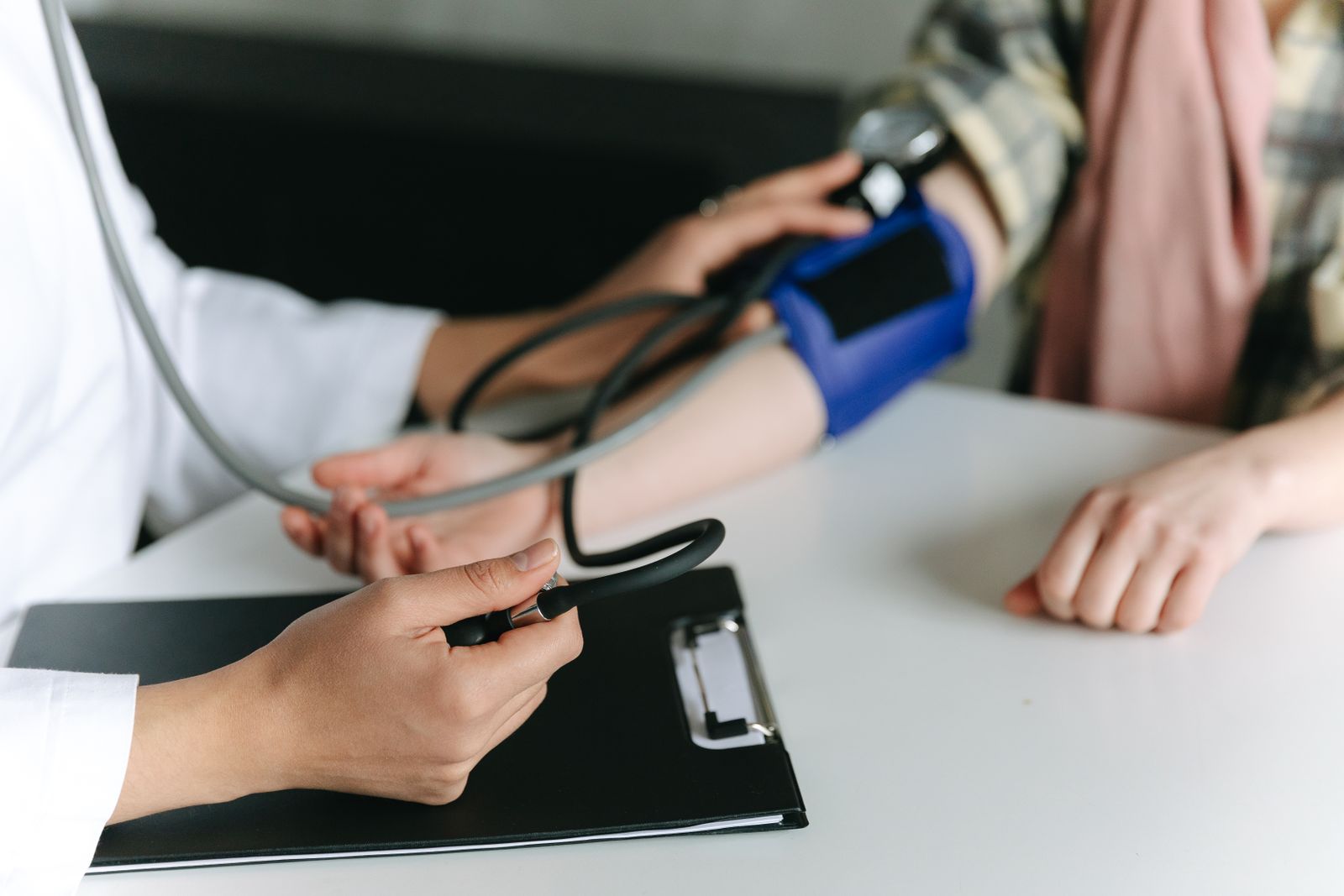
Most Australians are invited to at least four free cancer screening programs over their lifetime, yet many of the invitations end up in a drawer. The schedule is simple once you see it laid out by age. Cervical screening starts at 25, bowel screening at 45, breast screening at 50, and lung scans from 50 for people with a long smoking history. GP checks for heart risk, diabetes and older age fill the gaps.
The schedule at a glance
| Age | Check | How often | Cost |
|---|---|---|---|
| Birth | Newborn bloodspot and hearing screening | Once | Free in public and private hospitals |
| 25 to 74 | Cervical Screening Test | Every 5 years | Medicare covered; often bulk billed |
| 30+ (First Nations) | Heart Health Check | As advised | Medicare covered |
| 35+ with diabetes | Heart Health Check | As advised | Medicare covered |
| 40 to 49 | BreastScreen (optional) | Every 2 years | Free |
| 45 to 49 | Bowel screening kit on request | Every 2 years | Free |
| 45+ | Heart Health Check | As advised | Medicare covered |
| 50 to 74 | Bowel screening kit mailed | Every 2 years | Free |
| 50 to 74 | BreastScreen invitation | Every 2 years | Free |
| 50 to 70 (eligible smokers) | Low dose CT lung scan | Every 2 years if results are low risk | Free |
| 65+ | Shingles vaccine (Shingrix) | 2 doses | Free under the NIP |
| 70+ | Bone density scan | Initial, then every 2 to 5 years | Medicare covered |
| 75+ | Annual health assessment | Yearly | Medicare covered |
Source: Cancer Australia, Screening (accessed November 2026); Heart Foundation, Heart Health Checks (updated May 2026); MBS item 12320.
Your 20s and 30s
Cervical screening from 25
The National Cervical Screening Program recommends a Cervical Screening Test every five years for women and people with a cervix aged 25 to 74. The test looks for human papillomavirus (HPV), which causes almost all cervical cancers, and replaced the two yearly Pap smear in December 2017.
Since July 2022 everyone eligible has been able to choose a self collected vaginal swab, done privately in the clinic, instead of a speculum test taken by a clinician. Vaccinated people still need screening, because the vaccine does not cover every cancer causing HPV type.
Blood pressure and general checks
There is no national program for younger adults, but GP guidelines suggest having your blood pressure measured at least every two years from 18. A sexual health check, a skin check if you have many moles, and a review of your vaccinations are worth adding to any visit.
Your 40s: the risk checks begin
Diabetes risk
From 40, GPs commonly use the AUSDRISK questionnaire, a short score based on age, waist size, family history, activity and other factors, to flag type 2 diabetes risk. A high score leads to a blood test. First Nations people are usually assessed from a younger age.
Breast screening as an option
BreastScreen Australia targets women aged 50 to 74, but women aged 40 to 49 can also attend free. Screening at 40 to 49 is less effective because breast tissue is denser, so talk to your GP about your family history before booking. Women with a strong family history may be referred for a different surveillance plan.
Heart Health Check from 45
The Heart Foundation says people without heart disease are eligible for a 20 minute Heart Health Check from 45, from 35 for people with diabetes and from 30 for First Nations people. Your GP or practice nurse asks about smoking, medicines, family history and even your postcode, checks blood pressure, cholesterol and blood sugar, then calculates your five year risk of a heart attack or stroke with a validated calculator.
The check has been covered by Medicare since April 2019. The foundation estimates 1.4 million Australians are at high risk of a heart attack or stroke in the next five years, and many do not know it.
Bowel screening from 45
Since 1 July 2024, people aged 45 to 49 can request a free bowel screening kit online through the National Cancer Screening Register or by calling 1800 627 701. The test is done at home and posted back. It detects tiny amounts of blood in a stool sample.
Your 50s and 60s
Bowel kits by mail
From 50, the National Bowel Cancer Screening Program mails a kit every two years without you asking, until you turn 74. A positive result does not mean cancer; it means you need a follow up colonoscopy.
BreastScreen invitations
At 50, BreastScreen invites you for a screening mammogram every two years. The service is free, you do not need a referral, and you can book directly on 13 20 50.
Lung cancer screening
The National Lung Cancer Screening Program started on 1 July 2025. It offers a low dose CT scan to people aged 50 to 70 who have no symptoms, currently smoke or quit in the past 10 years, and have at least 30 pack years of cigarette smoking. A pack year is one pack a day for a year, so 30 pack years could be one pack a day for 30 years or two a day for 15.
Your GP assesses eligibility and enrols you, and the scan is free. How often you are scanned after that depends on the result.
Vaccines that come with age
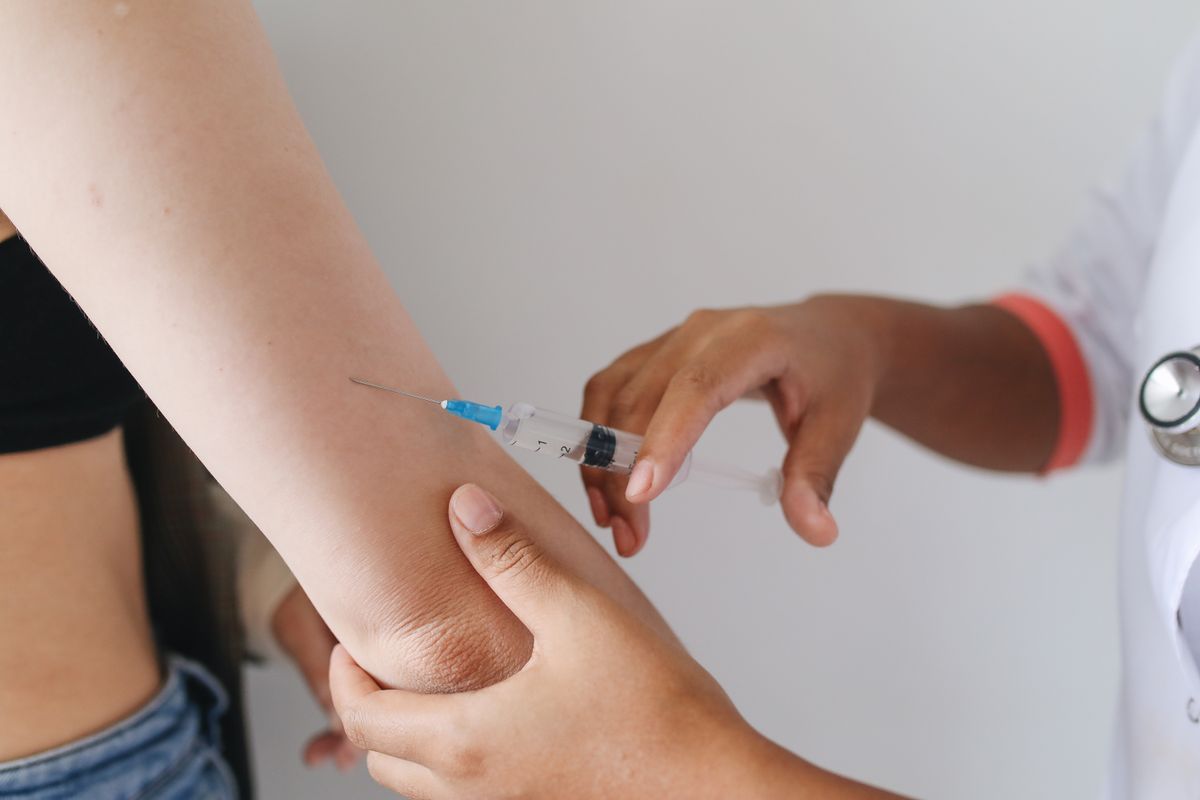
Screening finds disease; vaccines prevent it, and several become free at particular ages under the National Immunisation Program.
| Age or group | Vaccine | Notes |
|---|---|---|
| 65+ | Influenza | Free every year |
| 65+ | Shingles (Shingrix) | Two doses, free |
| 50+ First Nations | Shingles (Shingrix) | Two doses, free |
| 70+ | Pneumococcal | Free |
| Pregnancy | Whooping cough, influenza, RSV | Free, timing varies by vaccine |
Source: Australian Immunisation Handbook and National Immunisation Program schedule; Cancer Australia.
Check the Australian Immunisation Register through your Medicare online account to see what you have already had.
Your 70s and beyond
Bone density
Medicare covers a bone density (DXA) scan for anyone aged 70 or over under MBS item 12320. If the result is normal or only mildly low, a repeat scan is usually covered every five years, or more often if bone density is moderately reduced. Younger people can be covered if they have specific risk factors, such as long term steroid use or a fracture after a minor fall.
75 plus health assessment
People aged 75 and over can have a Medicare funded health assessment once a year. It goes beyond a standard visit, covering mobility and falls risk, medicines, memory, vision, hearing, continence and support at home. Many practices run them with a practice nurse and a longer GP appointment.
When screening stops
Bowel and breast screening invitations end at 74, and cervical screening at 74 for those with a normal history. You can still ask your GP about testing later if you have symptoms or a personal risk. Women aged 75 and over can also keep attending BreastScreen free of charge, although they no longer receive reminder letters, so the booking is up to you.

What about skin checks?
Australia has some of the highest skin cancer rates in the world, yet there is no national skin screening program. Current advice is to know your own skin and see a GP promptly about a spot that is new, changing in size, shape or colour, or simply looks different from your other moles.
People at higher risk, such as those with many moles, fair skin, a history of skin cancer or a strong family history, may be advised to have regular professional checks. Skin checks by a GP attract a Medicare rebate as a normal consultation; dedicated skin clinics often charge a private fee.
Checks with no national program
Some tests people ask about are not part of any organised screening program. That does not mean they are unimportant; it means the decision rests on a conversation with your GP about your own risk.
Prostate cancer
There is no population screening program for prostate cancer. Men aged 50 to 69, or younger with a strong family history, can discuss a PSA blood test with their GP, weighing the chance of finding a cancer early against the risk of overdiagnosis and unnecessary treatment. A man whose father or brother had prostate cancer may be advised to start the conversation at 40 or 45.
Eyes and hearing
Optometry consultations attract a Medicare rebate, and many optometrists bulk bill. A comprehensive eye exam every two years is a common recommendation from middle age, and more often with diabetes, because diabetic eye disease can cause damage before symptoms appear. People with a parent or sibling who has glaucoma face a much higher risk and should be checked earlier.
Hearing loss tends to creep up. Eligible pensioners and veterans can get free hearing assessments and devices through the Australian Government Hearing Services Program, and a GP can refer anyone with concerns for an audiology test.
Mental health
Your GP can screen for depression and anxiety at any visit using short questionnaires. If you need ongoing support, a Mental Health Treatment Plan gives access to Medicare rebated sessions with a psychologist or other allied mental health professional.
Kidney function
People with diabetes, high blood pressure, a family history of kidney failure, smokers and First Nations people aged 30 and over are generally advised to have a kidney health check, a blood test and urine test, every one to two years. Early kidney disease rarely causes symptoms, so the check is the only way to find it.
Children's checks
Every baby is offered newborn bloodspot screening, the heel prick test, and a hearing screen before going home. After that, each state's child health record, such as the NSW Blue Book or the Victorian green book, sets out checks with a child health nurse or GP at set ages, covering growth, development, vision and hearing.
The childhood immunisation schedule runs alongside, with vaccines at birth, 2, 4, 6, 12 and 18 months, and 4 years. Up to date immunisation is a condition of some family payments and childcare enrolment.
How to keep on schedule
A few habits make the difference between being invited and actually being screened.
- Keep your address current with Medicare, because screening registers use it to post kits and invitations.
- Log in to the National Cancer Screening Register to see when your next bowel or cervical test is due.
- Ask your GP to set recall reminders in your record.
- Bundle checks: a Heart Health Check, a skin look and a vaccine review can often happen in one longer appointment.
If you do not have a regular doctor, you can book a preventive health check with a GP who will pull these together into a single plan. Services such as Private Medical offer in person and telehealth GP appointments, though physical checks like blood pressure and skin examinations need an in person visit.
Before you decide
Put four dates in your diary: cervical screening every five years from 25, a bowel kit every two years from 45, a mammogram every two years from 50, and a Heart Health Check from 45. Add the lung scan if you have a long smoking history, a bone density scan at 70 and a yearly assessment from 75. The tests are free or Medicare covered, and the invitations only work if you act on them.
Sources
- Cancer Australia, "Screening", accessed 18 November 2026, https://www.canceraustralia.gov.au/awareness/screening
- Heart Foundation, "Time to book a Heart Health Check?", updated 12 May 2026, accessed 18 November 2026, https://www.heartfoundation.org.au/your-heart/heart-health-checks
- Department of Health, Disability and Ageing, "Lung cancer screening saves lives", accessed 18 November 2026, https://www.health.gov.au/lung-cancer-screening-saves-lives
- Department of Health, Disability and Ageing, "Cancer screening program eligibility reference guide", September 2026, https://www.health.gov.au/sites/default/files/2026-09/cancer-screening-program-eligibility-reference-guide.pdf
- Medicare Benefits Schedule, "Item 12320", accessed 18 November 2026, https://www9.health.gov.au/mbs/fullDisplay.cfm?q=12320&qt=ItemID&type=item
- Moneysmart, "Manage health costs in retirement", accessed 18 November 2026, https://moneysmart.gov.au/manage-your-money-in-retirement/manage-health-costs-in-retirement
- National Cancer Screening Register, accessed 18 November 2026, https://www.ncsr.gov.au/
- Services Australia, "Australian Immunisation Register", accessed 18 November 2026, https://www.servicesaustralia.gov.au/australian-immunisation-register