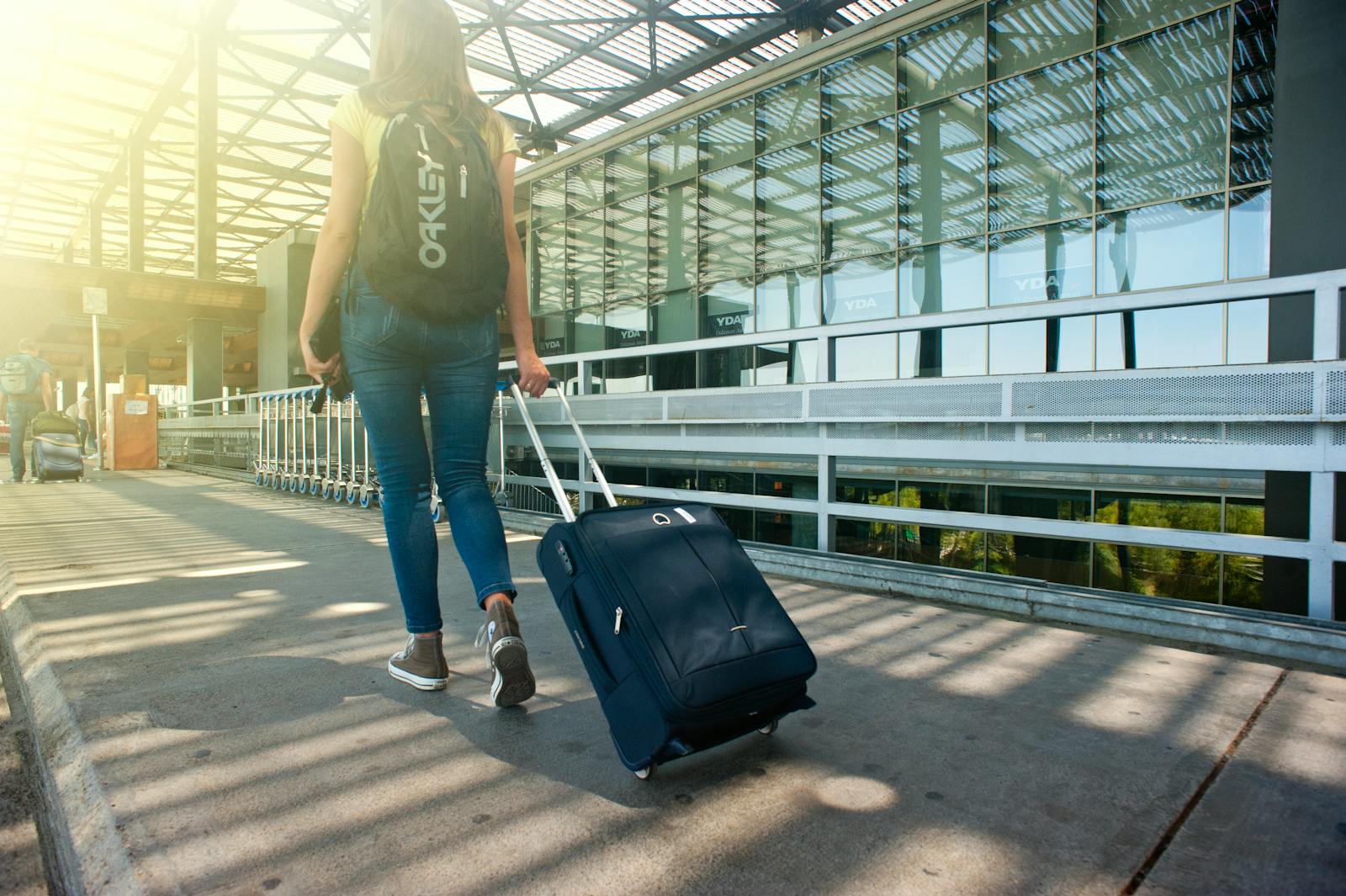
Getting sick overseas can wreck a trip and, without the right cover, your savings. Smartraveller notes that Medicare and the PBS do not work overseas, and that hospital stays abroad often cost thousands of dollars per day. A little planning in the weeks before you fly reduces both the risk of getting sick and the financial damage if you do.
This travel health checklist for Australians follows the order Smartraveller recommends, with practical detail on vaccines, medicines and insurance.
You'll need:
- Your itinerary, including every country you will pass through
- A list of your regular medicines and doses
- Your vaccination records, which you can find in your Medicare online account or My Health Record
- Time for a GP or travel clinic appointment 6 to 8 weeks before departure
Step 1: Research the health risks at your destination
Health risks vary widely between countries. Start with the Smartraveller travel advice for each destination, which includes a "Health" section covering local diseases, medical facilities and emergency numbers.
For each place you will visit or pass through, find out about:
- Infectious diseases, such as dengue, malaria or measles outbreaks
- Other risks, including altitude, heat and road accidents
- The quality and availability of hospitals, doctors and medicines
- Local laws on medication
- Attitudes to mental health and disability, and the support available
Smartraveller is blunt about outbreaks. If there is a major outbreak where you are going, it advises waiting until the risk has passed.
Tip: check the advice level too. If a destination has a "Do not travel" warning, many insurers will not cover you there.
Step 2: See your doctor or a travel clinic early
Smartraveller recommends seeing your doctor 6 to 8 weeks before you go, and at least 8 weeks ahead if you take regular medication. That gives you time to finish vaccine courses and sort scripts and letters.
What to ask your doctor
- Is it safe for me to travel, given my health and age?
- Which travel vaccines do I need, and are my routine vaccines up to date?
- How do I protect myself from mosquito borne illness, unsafe food and water, and blood clots on long flights?
- How should I manage my chronic condition while I am away?
- Can you write a letter describing my medicines and doses?
Pregnant travellers should talk to their obstetrician, and parents should check their children's routine vaccinations are current.
If getting to your regular GP is hard, a telehealth service such as Private Medical can help with routine pre-travel consultations, scripts and letters, though some vaccines will still need an in person visit.
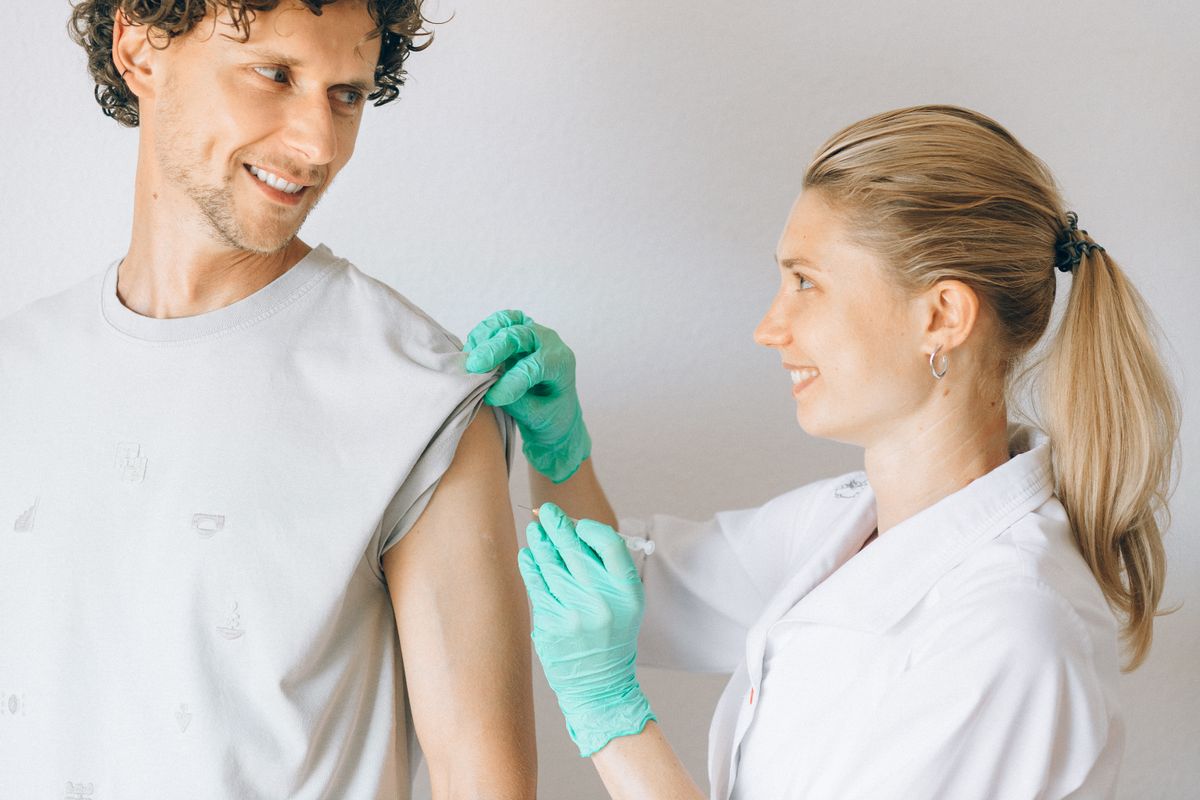
Which travel vaccines might you need?
The Australian Immunisation Handbook says travel vaccines should be based on a risk assessment of your health, itinerary, activities and likely exposure, not on the destination alone. It also stresses keeping routine vaccines up to date.
| Vaccine | When it may be considered |
|---|---|
| Routine vaccines, such as measles and influenza | All travellers, checked and updated |
| Hepatitis A | Travel to areas with poorer sanitation |
| Typhoid | Travel where food and water hygiene is a concern |
| Hepatitis B | Longer stays, medical work or possible exposure to blood |
| Rabies | Contact with animals, remote areas, long stays |
| Japanese encephalitis | Rural parts of Asia, depending on season and length of stay |
| Yellow fever | Areas with transmission risk; some countries require a certificate |
Source: Australian Immunisation Handbook, Vaccination for international travellers; examples only, your doctor will tailor advice.
Yellow fever certificates
The Handbook recommends yellow fever vaccination for people aged 9 months or older travelling to areas with transmission risk. Some countries require an International Certificate of Vaccination or Prophylaxis to enter. Only approved yellow fever vaccination centres can give the vaccine, so book ahead.
Common mistake: leaving vaccines until the last week. Some need several doses or time to work, and travel clinics can be booked out before school holidays.
Step 3: Prepare your medicines
Smartraveller's guide to taking medicine overseas sets out a clear process.
Check Australian law
You can only take prescription medicine out of Australia for personal use, and limits apply, including to medicines supplied under the PBS. Check the rules if you are taking a large quantity for a long trip.
Check the law at your destination
Some medicines that are common in Australia are restricted or illegal elsewhere. Smartraveller lists these as commonly restricted:
| Medicine type | Example |
|---|---|
| Amphetamines | ADHD medications |
| Medical cannabis | Prescribed cannabis products |
| Opioid based painkillers | Codeine |
| Pseudoephedrine | Some cold and flu tablets |
| Sleeping pills | Various |
| Anti anxiety and antidepressant medicines | Various |
Source: Smartraveller, Taking medicine and medical devices overseas.
Contact the embassy or consulate of your destination to check. You may need a permit. If your medicine is illegal there, ask your doctor whether an alternative is available.
Pack it properly
- Pack enough for the whole trip, plus extra for delays
- Keep medicine in its original pharmacy packaging
- Carry a copy of the script or a doctor's letter stating what it is, the dose and that it is for personal use
- Split supplies between two bags in case one is lost
- Check airline rules for syringes, battery devices and mobility aids
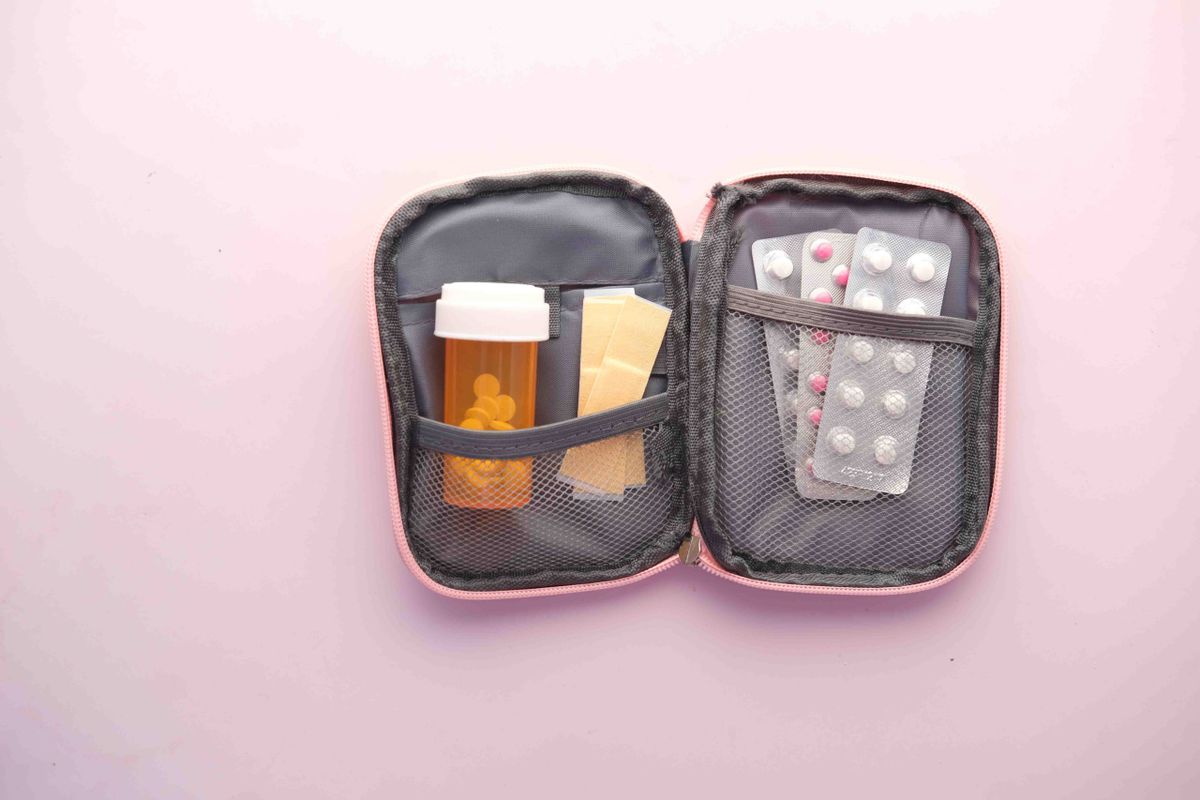
Pack a small first aid kit
Smartraveller suggests headache tablets, antiseptic, cotton wool, waterproof bandaids, SPF 30 to 50+ sunscreen and insect repellent. Add oral rehydration salts and any personal items such as an EpiPen or asthma reliever.
Common mistake: buying replacement medicine at a local market. Smartraveller warns that counterfeit medicines are common in some countries, and strengths and ingredients can differ from Australian versions even when packaging looks familiar.
Step 4: Get travel insurance that fits your trip
Smartraveller says you need insurance to travel overseas. Health cover is one of the main reasons Australians buy it, because you must pay for all medical care abroad.
What to check in the policy
| Check | Why it matters |
|---|---|
| Overseas medical and hospital cover | Hospital stays can cost thousands of dollars a day |
| Medical evacuation | Getting home or to a better hospital can be very expensive |
| Pre-existing conditions | Some policies exclude them unless declared and accepted |
| Activities | Basic policies often exclude higher risk activities, such as skiing or scooter riding |
| Lost or stolen medical devices | Replacing hearing aids or CPAP machines can be costly |
| Prescription medicine | Most insurers will not cover replacing lost medicine |
Source: Smartraveller, Travel health and Taking medicine and medical devices overseas.
CHOICE's travel insurance buying guide is a useful independent comparison of policy features.
Do reciprocal health care agreements help?
Australia has reciprocal health care agreements with 11 countries: Belgium, Finland, Ireland, Italy, Malta, the Netherlands, New Zealand, Norway, Slovenia, Sweden and the United Kingdom. These can cover some essential care, but Smartraveller notes they may not cover medicine costs and you still need travel insurance in those countries.
Step 5: Plan around your activities
Your activities shape your health risks. Smartraveller lists cruises, driving, motorbike riding, partying and working among the things to plan for, not just bungee jumping and skydiving.
If you are going overseas to volunteer, the risks can include remote placements, animal contact and limited medical care. Volunteering Australia has information on volunteering safely and choosing reputable organisations, which is worth reading alongside your doctor's advice.
Medical tourism needs extra care. Smartraveller advises choosing your hospital and surgeon carefully, and checking your insurance, because many policies exclude complications from elective procedures.
Travelling with a health condition
A chronic illness does not have to stop you travelling. It does mean more planning. Smartraveller notes that health risks overseas include a worsening of existing illness, mental health conditions among them.
Make a plan with your doctor
Ask your doctor how to manage your condition on the road. Talk through time zones and doses, what to do if symptoms flare, and where to get care at your destination. Carry a short summary of your condition, your medicines and your doctor's contact details. Keep a copy on your phone too.
Think about mental health
Smartraveller points out that attitudes to mental illness differ around the world. In some places it can be hard to refill a script for a mental health medicine. Research this before you go. Pack enough to last, and know who you can call for support while you are away.
Medical devices and mobility aids
Airlines and cruise lines often have rules for battery devices, sharps and wheelchairs. Most airlines will ask you to check in a wheelchair. Call the airline early and confirm you can take what you need, use the toilets, and get help from the crew.
What about children and older travellers?
Kids get sick on holidays too, and often faster. Check their routine vaccines are current, as Smartraveller advises, and ask the doctor about risks for their age. Pack child doses of pain relief, rehydration salts and a thermometer. Learn where the nearest hospital is at each stop.
Older travellers should ask whether the trip is safe for them, especially with a heart or lung condition. Specialist care can be hard to find in some places. Long flights, heat and altitude all add strain. Build in rest days and drink plenty of water.
Travel insurance gets more expensive with age, and some policies set age limits or exclude certain conditions. Compare a few quotes, read the fine print on pre-existing conditions, and declare everything honestly. A claim can be refused if you leave something out.
Common mistake: assuming a credit card's free travel insurance is enough. These policies often have strict activation rules and lower limits. Read the policy wording before you rely on it.
How do you stay healthy while you are away?
Smartraveller's list of everyday precautions is simple and effective:
- Wash your hands often or use hand sanitiser
- Eat and drink safe food and water
- Protect yourself from insect bites
- Use sunscreen and other sun protection
- Move around and drink water on long flights to reduce blood clot risk
- Wear a helmet and protective clothing on scooters
- Check hired vehicles and safety gear before use
- Practise safer sex
Smartraveller's guide to avoiding infectious disease has more detail on mosquito borne and food borne illness. The World Health Organization also publishes international travel and health advice.
If you get sick
Know the local emergency number before you need it, and keep your insurer's 24 hour assistance line in your phone. Contact the insurer as early as possible if you need hospital care, because many require approval before treatment. The Australian Government can give you a list of local English speaking doctors and hospitals but cannot pay medical bills.
When you get home
See a doctor if you feel unwell after returning, and tell them where you have been. Some infections, including malaria, can appear weeks after travel.
Your printable travel health checklist
| When | Task |
|---|---|
| 8+ weeks before | Research destinations, book GP or travel clinic |
| 6 to 8 weeks before | Vaccines, scripts, doctor's letter, check medicine laws |
| 4 weeks before | Buy travel insurance, declare pre-existing conditions |
| 2 weeks before | Pack medicines and first aid kit, check airline rules |
| Departure | Carry scripts, insurance details and emergency numbers |
| Return | See a doctor if unwell and mention your travel |
Source: based on Smartraveller's travel health checklist.
The takeaway
Start early. See your doctor 6 to 8 weeks before you leave, check that your vaccines and medicines suit every country on your route, and buy insurance that covers your health, your activities and getting home. Carry your medicines in original packaging with a letter, and split them between bags. A few hours of preparation is cheap compared with a hospital bill overseas.
Sources
- Smartraveller, "Travel health", accessed 18 November 2026, https://www.smartraveller.gov.au/travel-essentials/travel-health
- Smartraveller, "Taking medicine and medical devices overseas", accessed 18 November 2026, https://www.smartraveller.gov.au/travel-essentials/travel-health/taking-medicine-and-medical-devices-overseas
- Smartraveller, "Avoiding infectious disease while travelling", accessed 18 November 2026, https://www.smartraveller.gov.au/travel-essentials/travel-health/avoiding-infectious-disease
- Australian Immunisation Handbook, "Vaccination for international travellers", accessed 18 November 2026, https://immunisationhandbook.health.gov.au/contents/vaccination-for-special-risk-groups/vaccination-for-international-travellers
- Services Australia, "Reciprocal Health Care Agreements", accessed 18 November 2026, https://www.servicesaustralia.gov.au/reciprocal-health-care-agreements
- CHOICE, "Travel insurance buying guide", accessed 18 November 2026, https://www.choice.com.au/travel/money/travel-insurance/buying-guides/travel-insurance
- World Health Organization, "Travel and health", accessed 18 November 2026, https://www.who.int/health-topics/travel-and-health





