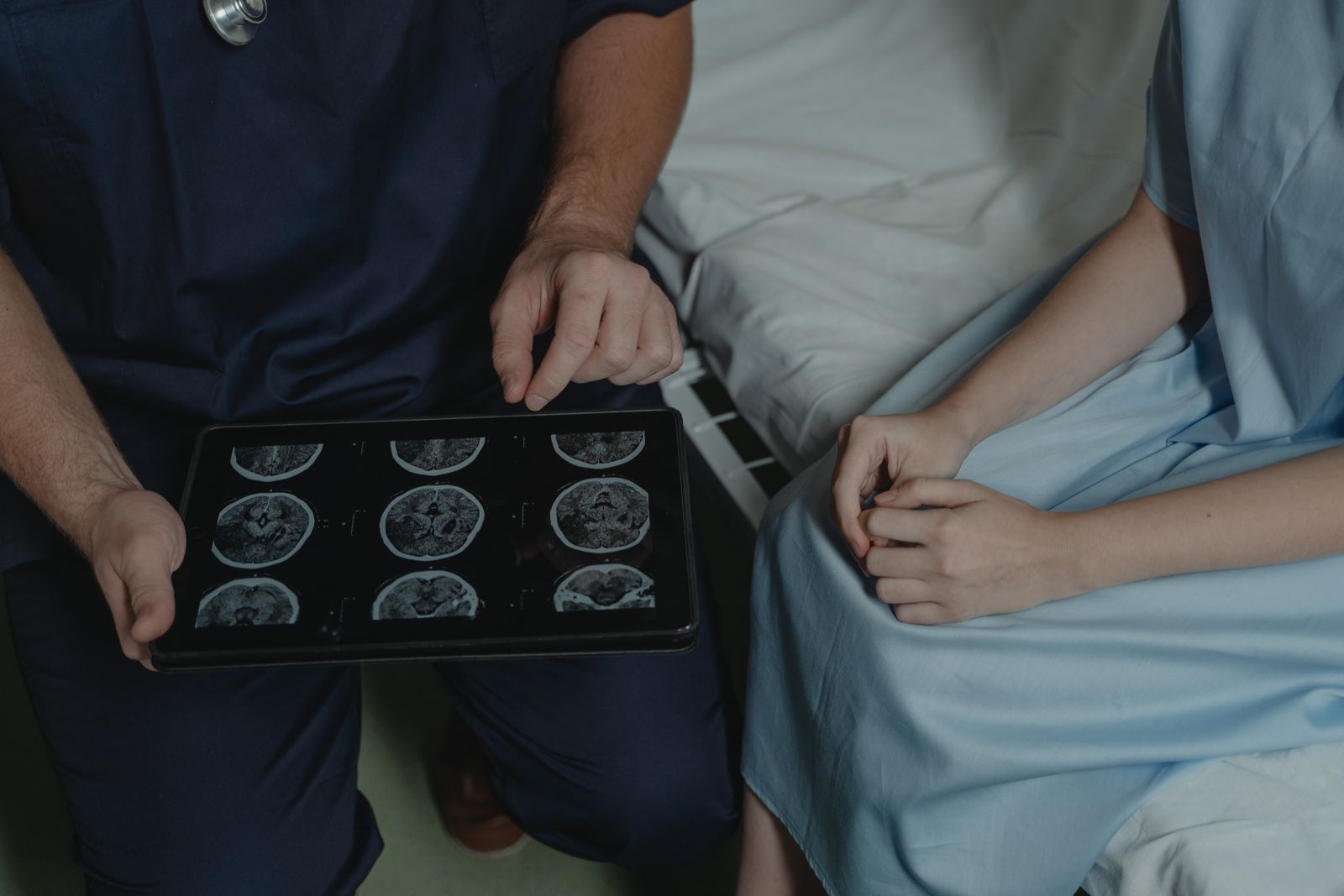
When two or more antidepressants haven't lifted a depressive episode, many people start asking what else is available. One option is repetitive transcranial magnetic stimulation, usually shortened to rTMS or TMS. Since November 2021, TMS therapy in Australia has had Medicare funding for adults who meet set criteria, which has made it far more affordable than it was when patients paid the full cost.
What is TMS?
TMS is a non-invasive treatment that uses a magnetic coil placed against the scalp to deliver pulses of magnetic energy to specific areas of the brain. For depression, the coil usually targets a region in the front of the brain involved in mood regulation. The magnetic pulses create small electrical currents that are thought to change activity in brain circuits linked to depression.
You stay awake throughout. There's no anaesthetic, and you can usually drive and go back to work or study straight after a session. That makes it quite different from electroconvulsive therapy (ECT), which is given under general anaesthetic.
The Black Dog Institute, which runs a neuromodulation research centre, describes TMS as a treatment option for people whose depression has not responded well to medication. The Royal Australian and New Zealand College of Psychiatrists (RANZCP) has published professional practice guidelines for how rTMS should be delivered.
What treatment-resistant depression means
There is no single legal definition, but doctors often use the term treatment-resistant depression when a person's depression hasn't improved enough after at least two adequate courses of antidepressant medication. Adequate is the key word. A medicine taken at a low dose, for only a week or two, or stopped early because of side effects may not count as a fair trial.
That is why the Medicare rules focus on dose, time and adherence. Before calling depression treatment-resistant, a psychiatrist will usually check a few things:
- Is the diagnosis right? Some conditions, such as bipolar disorder, thyroid problems or ongoing substance use, can look like depression or make it harder to treat.
- Were the medicines taken as prescribed, at a full dose, for long enough?
- Has psychological therapy been tried, such as cognitive behavioural therapy?
- Are there stresses in your life, such as work, money or relationship problems, that keep the depression going?
Feeling that "nothing works" is common with depression, and it can be very hard. It does not mean there are no options left. TMS is one of several next steps a psychiatrist may suggest.
Who is eligible for Medicare-funded TMS?
The rules are set out in the Medicare Benefits Schedule. To be eligible for the initial course (items 14216 and 14217), a patient must:
| Criterion | What it means |
|---|---|
| Age | At least 18 years old |
| Diagnosis | Diagnosed with a major depressive episode |
| Medication trials | Inadequate improvement despite adequate trials of at least two different classes of antidepressant, unless contraindicated |
| How trials are judged | Adherence formally assessed; each medicine taken at the recommended therapeutic dose for at least 3 weeks; dose increased to the maximum tolerated where clinically appropriate |
| Psychological therapy | Has undertaken psychological therapy, if clinically appropriate |
| No previous TMS | Has never had TMS in a public or private setting |
| Medicare | Must be eligible for Medicare |
Source: MBS item 14216; MBS explanatory note TN.1.28 (accessed November 2026).
The 3-week figure is a minimum. The MBS notes point to RANZCP guidance that an adequate trial is usually at least 4 weeks at a therapeutic dose with no response, or 6 to 8 weeks where there has been a partial response. In practice, your psychiatrist will look closely at your medication history, including doses, how long you took each one and whether side effects stopped you.
"Two different classes" matters too. Two medicines from the same group, such as two SSRIs, may count as one class for this purpose. Bring a list of everything you've tried to your appointment.

The four Medicare TMS items
| MBS item | What it covers | Who provides it |
|---|---|---|
| 14216 | Prescription and treatment mapping for an initial course | Psychiatrist trained in rTMS, in person |
| 14217 | Each treatment session in the initial course, up to 35 sessions | Psychiatrist, or a trained health professional on the psychiatrist's behalf |
| 14219 | Prescription and mapping for a retreatment course | Psychiatrist trained in rTMS, in person |
| 14220 | Each session in a retreatment course, up to 15 sessions | Psychiatrist, or a trained health professional on the psychiatrist's behalf |
Source: MBS item 14217 and note TN.1.28 (accessed November 2026).
Retreatment. To be eligible for a Medicare-funded retreatment course, the MBS explanatory note says you must have had an initial course under item 14217 with a satisfactory response measured by a validated depression rating tool, then relapsed, and at least 4 months must have passed since the initial course.
Who delivers treatment. The mapping appointments must be done personally by the psychiatrist. Treatment sessions can be given by a nurse practitioner, practice nurse or allied health professional trained in rTMS, working for or supervised by the psychiatrist. The psychiatrist stays responsible for planning and monitoring.
How much does TMS cost with Medicare?
From 1 July 2026, the schedule fee for each treatment session under item 14217 is $184. Medicare pays 85% of the schedule fee for out-of-hospital services, which is $156.40 per session.
| Item | 2026 schedule fee | Medicare benefit (85%, out of hospital) |
|---|---|---|
| 14217 per treatment session | $184.00 | $156.40 |
| Initial course of 35 sessions at schedule fee | $6,440.00 | $5,474.00 |
Source: MBS item 14217, schedule fee updated 1 July 2026 (accessed November 2026). Course totals are calculated from the per-session figures.
Doctors set their own fees, so what you pay depends on the clinic:
- Some clinics bulk bill eligible patients for treatment sessions, so there's no gap for the sessions themselves.
- Others charge more than the schedule fee and you pay the difference.
- Psychiatrist consultations before, during and after the course are usually billed separately, and may carry a gap.
- If you reach the Extended Medicare Safety Net threshold, you may get extra rebates, though benefits for item 14217 are capped under the safety net.
Patients who aren't eligible for Medicare funding, such as people under 18 or those who have had TMS before outside the retreatment rules, can usually have TMS privately at full cost. The Department of Veterans' Affairs and workers compensation schemes may fund TMS for eligible people. Ask the clinic for a written estimate before you start.
Private health insurance and TMS
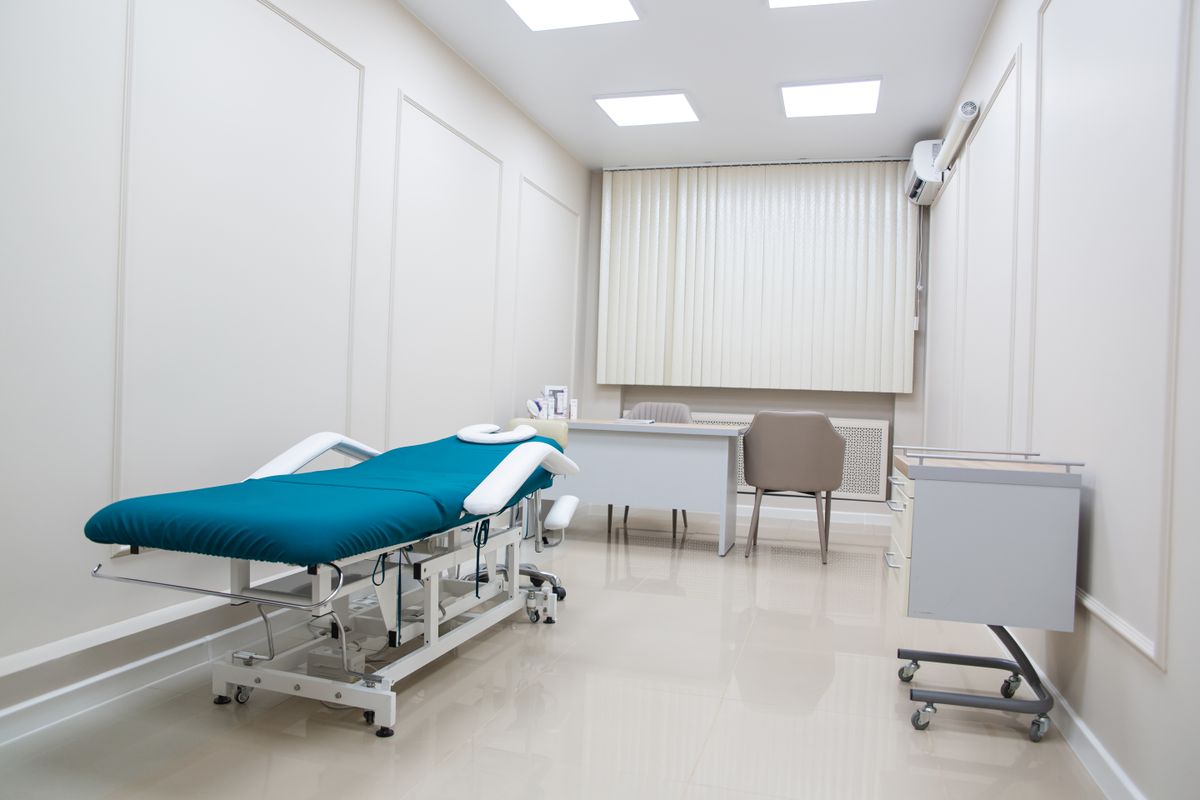
Most TMS is done as an outpatient in consulting rooms, where private hospital cover doesn't usually apply. The MBS notes explain that the rTMS items have a Type C private health insurance classification. That means they don't normally need hospital treatment, but if a psychiatrist certifies in writing that a patient needs TMS as a hospital inpatient, private health insurance benefits for hospital accommodation can be paid. Some private psychiatric hospitals run inpatient TMS programs on this basis.
If you think you may need inpatient treatment, check your hospital policy covers psychiatric services and ask your fund about waiting periods.
How a TMS course works
A typical course goes through these stages, though protocols vary between clinics:
- Referral. Your GP or psychiatrist sends a referral to a TMS clinic. If you already see an rTMS-trained psychiatrist, you don't need another referral.
- Assessment and mapping. The psychiatrist reviews your history, checks eligibility and safety, and finds the right coil position and dose. This often involves measuring your motor threshold, the amount of stimulation that makes your thumb twitch.
- Acute treatment. Sessions are commonly given several times a week, often five, for around four to six weeks. Each session can take from under a minute to around 20 minutes, depending on the protocol.
- Monitoring. You complete mood questionnaires at intervals so the team can track progress.
- Tapering and follow-up. Many clinics reduce sessions gradually rather than stopping suddenly, then review you after the course.
The MBS notes allow more than one 14217 session on the same day if clinically appropriate and in line with RANZCP guidelines. Some clinics use this to offer accelerated protocols with several sessions a day over fewer days. Accelerated protocols still use up the same 35-session Medicare allowance.
You'll usually keep taking your other treatments, such as medication and therapy, during TMS unless your psychiatrist advises otherwise.
Side effects and risks
TMS is generally well tolerated. The RANZCP guidelines and clinic information describe common side effects as usually mild and short-lived:
- scalp pain or discomfort where the coil sits
- headache, which often eases with simple pain relief and tends to settle as treatment goes on
- tingling or twitching of facial muscles during stimulation
- tiredness or light-headedness after a session
Seizures are very rare, and clinics screen for risk factors such as a history of epilepsy. Because the treatment uses a strong magnetic field, people with metal in or near the head, such as some implants, may not be suitable. There is also a small risk of triggering mania or hypomania, particularly in people with bipolar disorder, so tell your psychiatrist about your full history.
The machine makes a loud clicking sound, and you'll usually be given earplugs.
How well TMS works
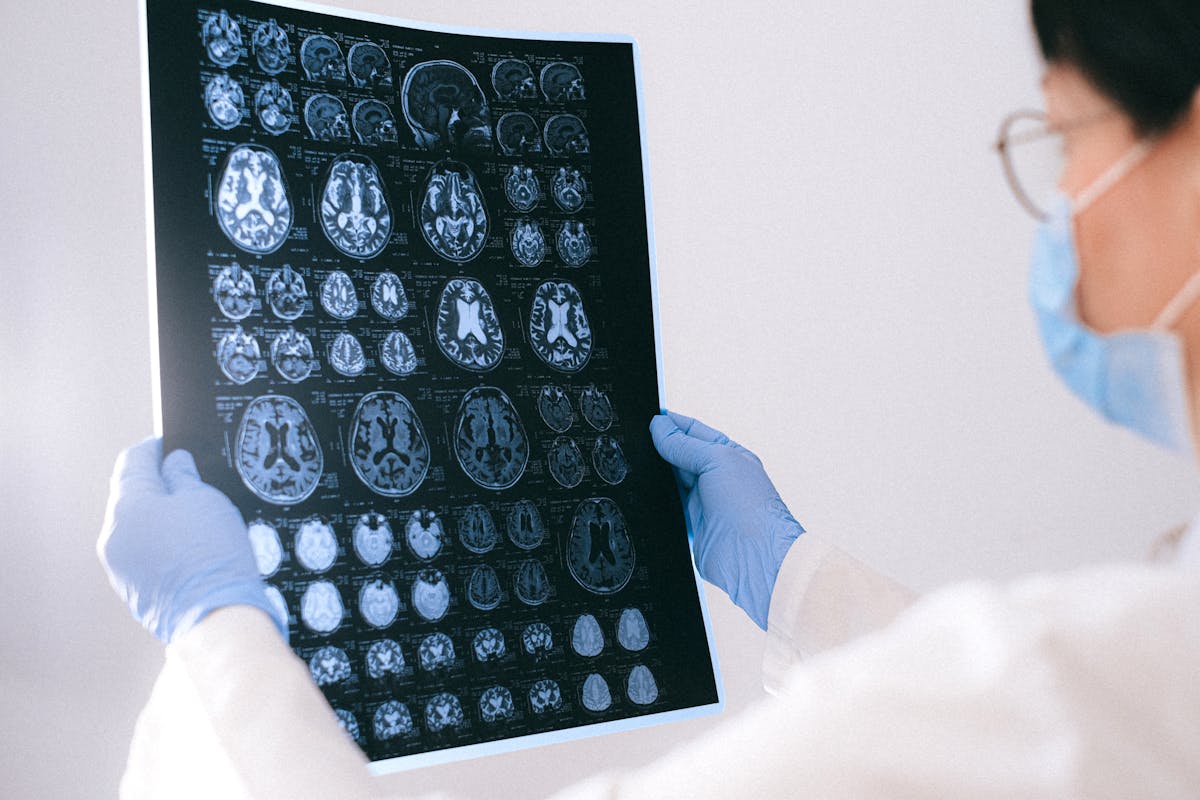
Research supports rTMS as an effective treatment for some people with depression that hasn't responded to medication, which is why it was added to the MBS. It doesn't work for everyone, and responses vary. Some people notice change within a few weeks, while others need the full course before they can judge.
The Black Dog Institute and RANZCP both describe TMS as one option within a broader treatment plan, alongside medication, psychological therapy and lifestyle support, rather than a replacement for them. If TMS helps and you later relapse, the Medicare retreatment items exist for that situation, provided you meet the criteria.
TMS and other options
TMS is not the only step after two antidepressants. Depending on your situation, a psychiatrist may also talk about:
- Changing or combining medicines. This might mean a different class of antidepressant, a higher dose, or adding a second medicine.
- More intensive therapy. A structured course with a psychologist can help, often alongside medicine.
- Electroconvulsive therapy (ECT). ECT is given under general anaesthetic, usually in hospital. It is often used for severe depression. It has more practical demands than TMS, such as fasting and anaesthetic recovery.
- Other newer treatments. Some clinics offer treatments such as esketamine under specialist care. Rules and costs differ, so ask your psychiatrist.
The right choice depends on how severe the depression is, what you have tried, your health, and your own preferences. TMS suits many people because it is done awake, as an outpatient, with few side effects.
Questions to ask a TMS clinic
Before you commit, ask:
- Is the psychiatrist trained in rTMS under RANZCP-endorsed training?
- Do you think I meet the Medicare criteria, and how will you confirm it?
- What will each session cost me after Medicare, and what will consultations cost?
- Which protocol do you use, how many sessions per week, and how long does each take?
- Who gives the treatment, and how often will I see the psychiatrist?
- How do you measure progress, and what happens if I'm not improving?
- Can I keep seeing my own psychiatrist or psychologist alongside treatment?
TMS is available in most capital cities and some regional centres through private clinics, private hospitals and some public mental health services. Your GP or psychiatrist can suggest providers, and the RANZCP lists endorsed training for practitioners.
Clinics vary in how they run treatment and bill it. In Sydney's eastern suburbs, for example, AwareHub offers TMS at Bondi Junction, with a second clinic in Bundaberg, and states that Medicare rebates are available for eligible clients. Compare a couple of clinics on cost, location and session times, because you'll be attending often for several weeks.
Before you decide
TMS therapy in Australia has Medicare funding for adults with a major depressive episode that hasn't improved after adequate trials of at least two classes of antidepressant, who have tried psychological therapy where appropriate and have never had TMS before. An initial course is up to 35 sessions, with a 2026 schedule fee of $184 per session and an out-of-hospital benefit of $156.40. Ask for a written estimate, check whether the clinic bulk bills, and talk to your psychiatrist about how TMS fits with your other treatment. If you are struggling right now, call Lifeline on 13 11 14, or 000 in an emergency.
Sources
- Medicare Benefits Schedule: Item 14216
- Medicare Benefits Schedule: Item 14217
- Medicare Benefits Schedule: Note TN.1.28
- MBS Online: rTMS explanatory note (PDF)
- RANZCP professional practice guidelines for rTMS (PMC)
- Black Dog Institute: Transcranial magnetic stimulation
- Epworth HealthCare: Transcranial magnetic stimulation
- Lifeline Australia







