The months before a child starts school bring a lot of questions. Is my child ready? Should they be able to read? What if they cry at drop off? Parents hear plenty of advice, and much of it focuses on the wrong things.
This guide pulls together what Australian health and education sources say children actually need before their first year of school, with a practical checklist you can use at home.
What does school readiness actually mean?
School readiness is not a test your child passes. It describes a set of skills that help a child cope with a new environment, so they can learn well and enjoy school.
According to Pregnancy, Birth and Baby, the federally funded parent advice service, children use many skills even in their first days and weeks at school. They group them into five areas:
- Physical health and development. Running, jumping, climbing, playing ball, holding a pencil and turning the pages of a book.
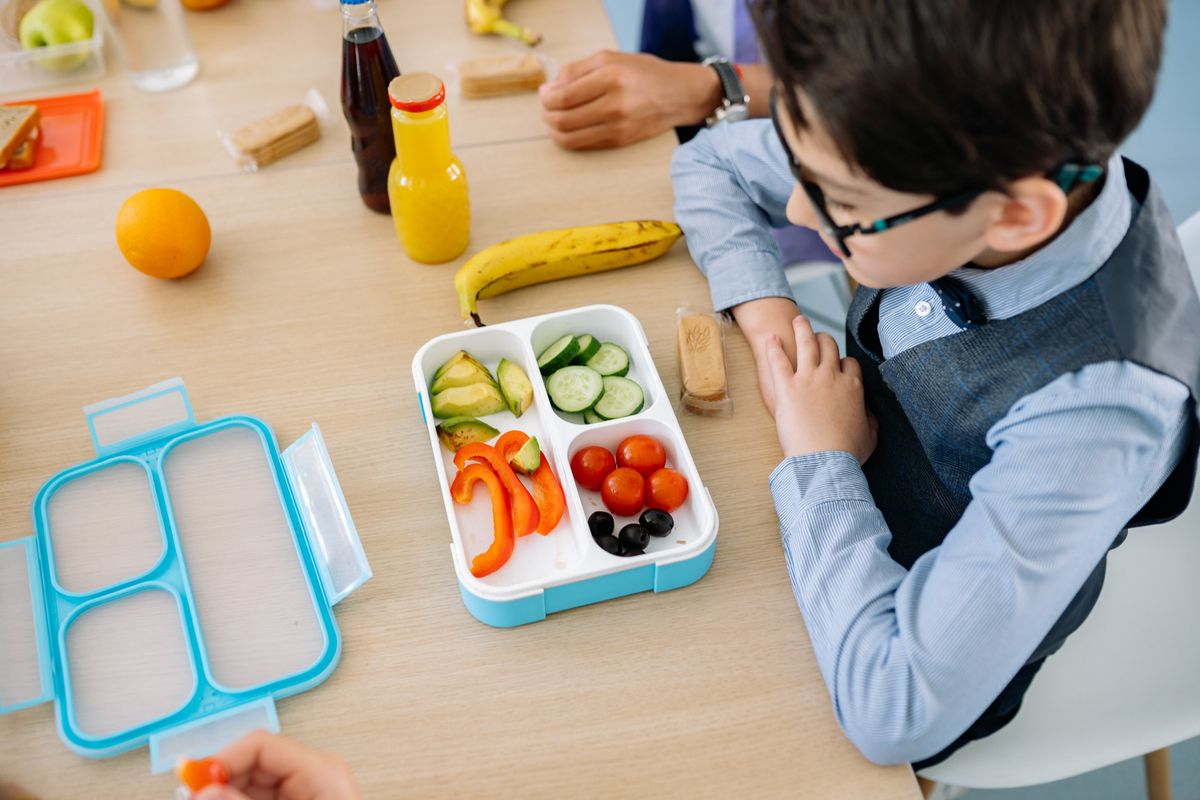
- Practical skills. Using the toilet independently and washing their hands, unpacking their lunchbox and eating their lunch.
- Social skills and concentration. Sharing, taking turns, getting along with others, and following rules and instructions.
- Emotional maturity. Talking with people they do not know, playing and sharing with others, and coping with being angry, sad or frustrated.
- Language and communication. Listening to others, speaking and expressing their thoughts clearly, and understanding what the teacher says.
Notice what is missing. There is no mention of reading, writing sentences or doing sums. Those are what school is for.
When can my child start school?
Each state sets its own cut off date, and the first year of school goes by different names. Here are the rules for the three largest states.
| State | First year of school | Age rule | Compulsory by |
|---|---|---|---|
| New South Wales | Kindergarten | Can start if they turn 5 on or before 31 July that year | 6th birthday |
| Victoria | Foundation (Prep) | Must turn 5 before 30 April of the year they start, for government schools | Age 6 |
| Queensland | Prep | Eligible from the start of the year in which they turn 5 by 30 June | Prep is required before Year 1 |
Source: NSW Department of Education, Starting school; Victorian Government, Starting primary school in Victoria; Queensland Department of Education, Early and delayed entry to Prep.
Other states and territories have their own dates, so check with your education department or local school.
Nationally, Pregnancy, Birth and Baby notes that all Australian children must start school by the time they turn 6, and most start between the ages of 4 and 5. That spread of ages is one reason readiness varies so much within a single class.
Queensland gives parents a clear option to wait. The Queensland Department of Education says parents may delay Prep by one year if they feel their child is not ready, for example if they are still developing social and emotional skills. No formal documents, assessment or approval are needed. Early entry is much stricter and depends on the child turning 5 by 31 July and the principal being satisfied the child is ready.

Why readiness matters: what the national data shows
Every three years, the Australian Early Development Census asks teachers of children in their first year of school about 100 questions on each child. It measures five domains: physical health and wellbeing, social competence, emotional maturity, language and cognitive skills, and communication skills and general knowledge.
The 2024 census collected data on more than 288,000 children from about 7,400 primary schools. The Department of Education reports that:
- the share of children on track on all five domains fell from 54.8% in 2021 to 52.9% in 2024, though it stayed above the 2009 baseline of 50.7%
- children developmentally vulnerable on one or more domains rose from 22% in 2021 to 23.5% in 2024
- children vulnerable on two or more domains rose from 11.4% to 12.5%.
These are population figures, not a judgement on any one child. But they show that skills such as emotional maturity and social competence are measured alongside language, and that a meaningful share of children start school still building them.
The school readiness checklist
Use this checklist as a guide, not a scorecard. Most children will be strong in some areas and still developing in others.
| Area | What it looks like at school | How to practise at home |
|---|---|---|
| Self care | Going to the toilet alone, washing hands, putting on shoes and a jumper | Let your child dress themselves each morning and handle their own toileting with you nearby |
| Eating | Opening a lunchbox and containers, eating within a set break | Pack lunch in the same lunchbox and containers they will use at school |
| Belongings | Carrying a bag, finding a hat, putting things away | Give them a hook or shelf for their bag and ask them to unpack it after outings |
| Listening | Following two or three step instructions | Give simple multi-step jobs, such as "get your shoes and put them by the door" |
| Social | Sharing, taking turns, joining a game | Play board games and arrange play dates |
| Emotional | Separating from a parent, coping with frustration | Practise short separations and name feelings when they come up |
| Communication | Asking for help, telling an adult what they need | Encourage them to order at a cafe or ask a librarian for a book |
| Fine motor | Holding a pencil, using scissors, turning pages | Drawing, cutting, threading beads and playdough |
Source: compiled for this guide from Pregnancy, Birth and Baby, School readiness and preparing for school; Raising Children Network, Child development at 4 to 5 years.
Independence: the skill teachers notice first
At school, your child shares one teacher with a whole class. Small tasks that a parent does without thinking, such as opening a yoghurt pouch or finding a lost hat, add up fast.
Pregnancy, Birth and Baby suggests a handful of ways to build independence before school starts:
- Practise a school day, including the trip to and from school.
- Set regular bedtime and morning routines, plus healthy eating habits.
- Make sure your child can go to the toilet alone and wash their hands.
- Teach them to dress themselves, including buttons and velcro.
- Involve them in packing their lunchbox, or their bag for a family outing.
- Give them a household job, such as feeding a pet or setting the table.
- Visit the school to play on the equipment and see the classroom and toilets.
The Raising Children Network says that by 4 to 5 years, most children can dress themselves, go to the toilet independently and use a fork and spoon. You still need to help with tasks such as brushing teeth. Their suggestion is to keep letting children try, even when you have to check their work afterwards.
Social and emotional skills
At school, Pregnancy, Birth and Baby says your child will be expected to separate from you without being upset, wait for attention in a large group, take turns and play well with others, follow instructions, express feelings and needs politely, stick with a task and cope with frustration.
That is a lot for a 5 year old, and no child does all of it perfectly. You can help by:
- Meeting people ahead of time. Take your child to meet their teacher and other children who will be in their class.
- Arranging play dates. These help children practise sharing toys and attention.
- Practising waiting. Games where children take turns build patience.
- Modelling how to fix a disagreement. Show your child how to stay friends after an argument.
- Building stamina. Gradually extend how long your child sticks with a task, and give specific praise when they finish.
- Reassuring them. Let them know they can handle challenges, and that you and their teacher will help.
The Raising Children Network notes that it is normal for children of this age to feel anxious about starting school. By 5, most have more control over their emotions and fewer tantrums.
Does my child need to read or count before school?
No. This is one of the most common worries, and the official advice is clear. Pregnancy, Birth and Baby says your child will go to school to learn literacy and numeracy. It helps if they show an interest in letters and words and can write some of the letters in their name. It also helps if they can say their age and recognise and write some numbers. They do not need to know the alphabet or chant a list of numbers.
What helps most is a love of stories and talk. The Raising Children Network says reading together, telling stories, singing songs and reciting nursery rhymes all build your child's talking, thinking and imagination, and help them learn to read later. At 4 to 5 years, many children can count to 10, know some letters and numbers out of order, and enjoy words that rhyme.

Signs it is worth talking to a professional
Children develop at different rates, and late development in one area is common. Still, the Raising Children Network lists signs at 5 years that are worth raising with your child and family health nurse or GP. These include a child who:
- has trouble seeing or hearing
- cannot follow multi-step instructions
- has trouble having a conversation
- does not play with other children, or is very aggressive
- seems afraid, unhappy or sad a lot of the time
- is easily distracted and cannot focus on an activity for more than a few minutes
- finds it hard to use a pencil or crayon, or to draw circles or squares
- has difficulty eating, dressing or using the toilet
- has lost skills they once had.
If your child has a disability or additional needs, talk to the school early about what support is available. Pregnancy, Birth and Baby notes that a support team may include the teacher, education assistants, the principal, a school psychologist and other specialists.
The year before school: using kindy or preschool
A quality early learning program in the year or two before school is one of the most useful ways to build these skills. The Raising Children Network says preschool helps children learn through play, make friends, and develop responsibility, independence and confidence.
Ask your child's educators how your child copes in group situations and what skills they could work on. Pregnancy, Birth and Baby recommends exactly this, along with talking to staff at your chosen school about how they plan to meet your child's needs. In NSW, the Department of Education notes that many schools run transition to Kindergarten programs over several weeks in the second half of the year.
An early learning provider such as Insight Early Learning can talk you through its kindy or preschool program and how it prepares children for the move to school.
The first weeks of school
Readiness does not end on the first day. The Victorian Government notes that the first week is often made up of shorter days, and that children can get very tired as they adjust. It suggests keeping after school activities to a minimum early in the first term.
Pregnancy, Birth and Baby suggests building a good relationship with your child's teacher and asking how they prefer to communicate. If your child becomes tearful or has recurring tummy aches or headaches, ask gently what is wrong, and talk to the teacher if it continues.
Before you decide
School readiness is about everyday independence, getting along with others, coping with big feelings and being able to listen and speak up. It is not about reading before Kindergarten or Prep. Check your state's starting age, practise routines such as dressing, toileting and opening a lunchbox, read and talk together often, and use your child's early learning educators as a sounding board. If something worries you, raise it early with your child and family health nurse or GP.
Sources
- Pregnancy, Birth and Baby, "School readiness and preparing for school", accessed 18 November 2026, https://www.pregnancybirthbaby.org.au/children/health-and-wellbeing/preparing-for-school
- Raising Children Network, "Child development at 4-5 years", accessed 18 November 2026, https://raisingchildren.net.au/preschoolers/development/development-tracker/4-5-years
- Department of Education, "Australian Early Development Census", accessed 18 November 2026, https://www.education.gov.au/early-childhood/about/data-and-reports/australian-early-development-census
- NSW Department of Education, "Starting school", accessed 18 November 2026, https://education.nsw.gov.au/schooling/parents-and-carers/going-to-school/primary-schools/starting-school
- Victorian Government, "Starting primary school in Victoria", accessed 18 November 2026, https://www.vic.gov.au/starting-primary-school-victoria
- Queensland Department of Education, "Early and delayed entry to Prep", accessed 18 November 2026, https://education.qld.gov.au/parents-and-carers/school-information/school-operations/early-and-delayed-entry-to-prep