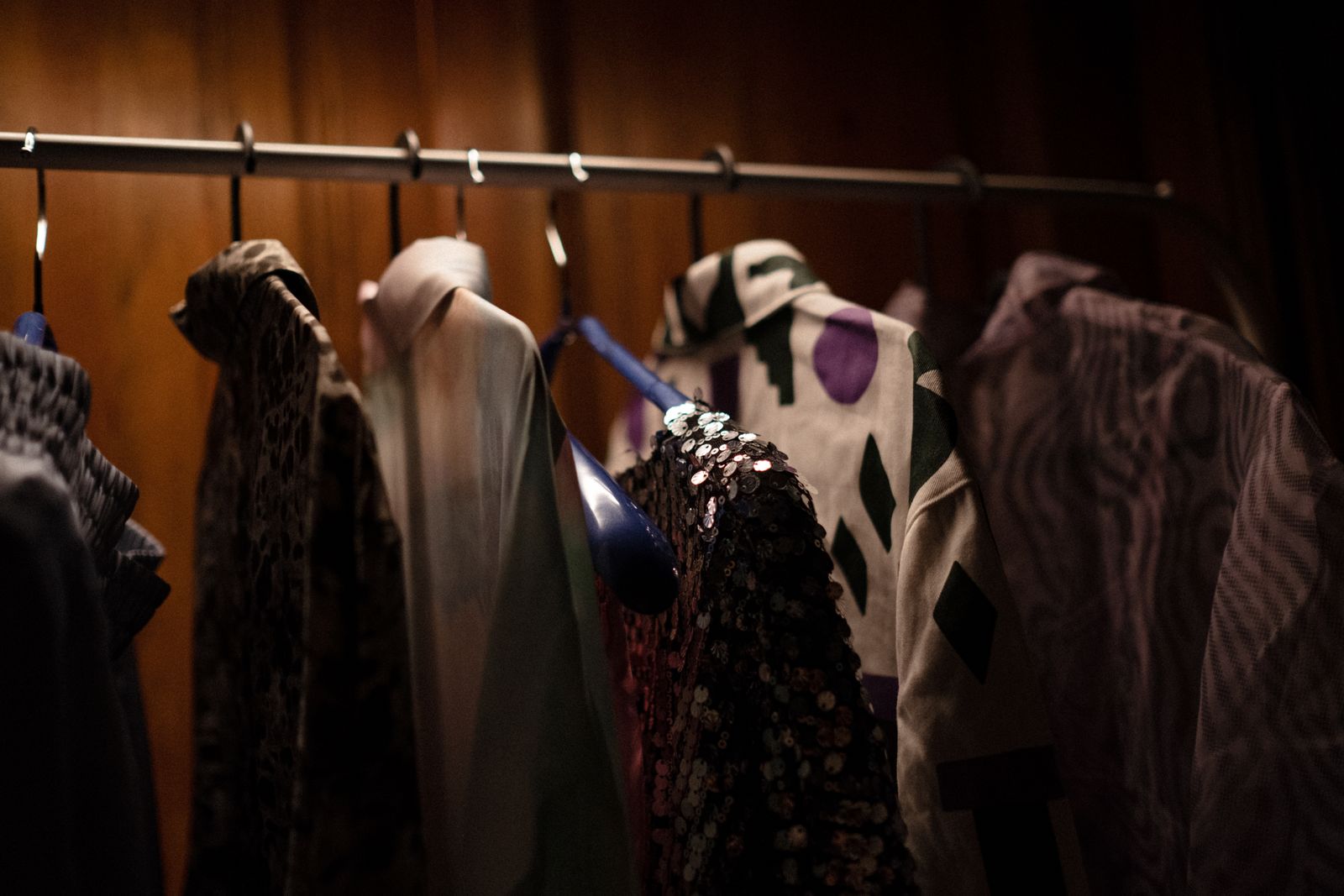
The fibre named on a swing tag is usually the wrong place to start. DermNet says allergic reactions to clothing more often come from dyes, wrinkle-resistant formaldehyde resins, glues and metal fasteners than from cotton, wool, linen or polyester themselves. Treat coarse prickly wool, tight heat-trapping synthetics, heavily dyed or "non-iron" cloth, and any lining or fastener that sits in a crease with caution, and start with loose, pale cotton or linen that has been washed before the first wear.
ASCIA, the peak body for clinical immunology and allergy in Australia and New Zealand, lists prickly fabrics alongside soap, perfume and overheating as everyday irritants to avoid. That advice is aimed at eczema, which it says occurs in around 1 in 5 children under two, but the same fabric rules help many adults whose skin simply stings, itches or flushes in new clothes.
Is it the fibre or the finish that causes the rash?
When fabric or clothing leaves a rash, dermatologists call it textile contact dermatitis, or clothing dermatitis. DermNet draws a useful line between irritation and allergy. The fibre itself, whether natural (cotton, linen, silk, wool) or synthetic (polyester, nylon, rayon, elastane), can irritate, especially where cloth rubs and sweat collects. Allergic contact dermatitis to the fibre is, however, rare. The usual culprits are chemicals added in the mill or the factory: formaldehyde resins used to make cloth wrinkle-resistant, certain dyes, glues, tanning agents, flame retardants, and rubber accelerators in elastic.
Azo and anthraquinone disperse dyes deserve a special mention. DermNet says these dyes are loosely bound to the fabric, can rub off onto the skin, and are now rarely used, which is not the same as saying they have vanished from every imported garment. Clothing is not labelled with a chemical inventory, so you cannot read a swing tag and know which dye class was used.
Hardware causes its own, very local, rashes. Metallic stud fasteners on blue jeans are a common source of nickel dermatitis. Bra hooks, belt buckles and snaps sit in the same category. If the mark is a neat circle or bar exactly where a metal fitting rests, the cloth is probably not the problem.
The rash itself is typically delayed: redness, scale and itch that may appear hours after contact, or sometimes days later. DermNet says the areas most often involved are the crooks of the arms, the backs of the knees, the armpits, the groin and the buttocks, the places in closest contact with clothing. Tight fit, heat and humidity make it worse. People with atopic dermatitis or already sensitive skin are at greater risk, as are people who work in hot, humid places.
Cotton, linen, silk and the wool exception
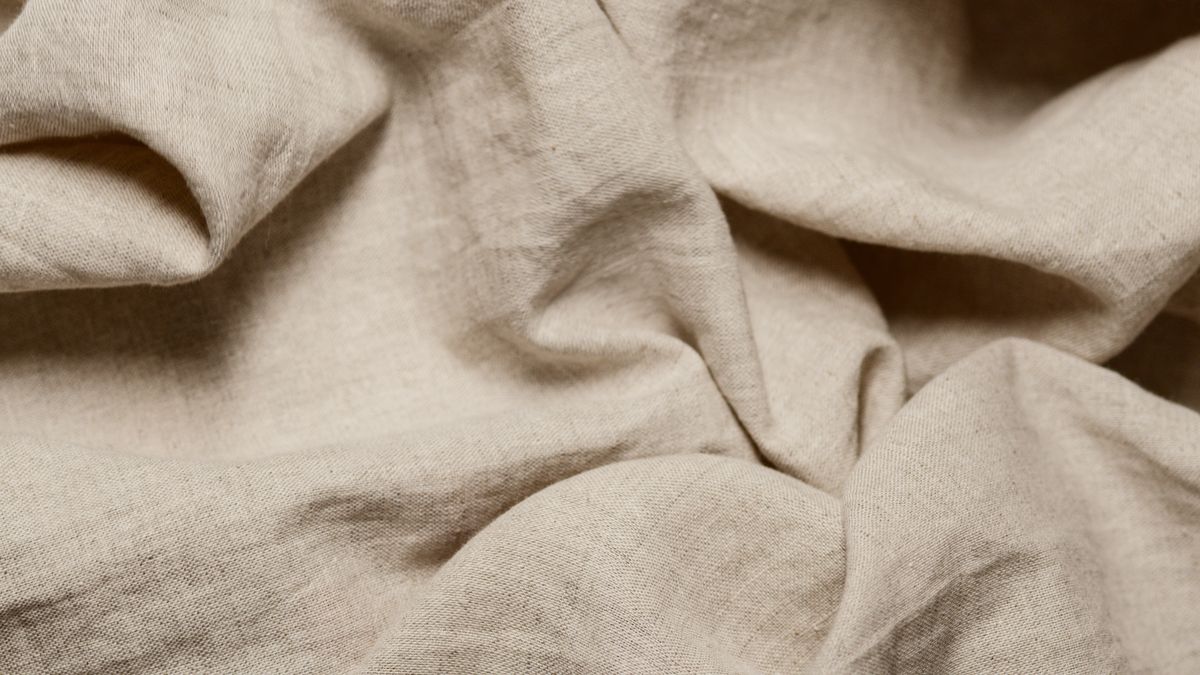
Natural, breathable fibres remain the default next-to-skin choice. DermNet's prevention list starts with cotton and linen, in light colours (they usually carry less dye) and a loose cut, especially in hot or humid weather. Avoid garments labelled "non-iron" or "dirt-repellent", which have usually been chemically treated, and be wary of anything marked "wash separately", which implies that dye is loosely bound and can bleed.
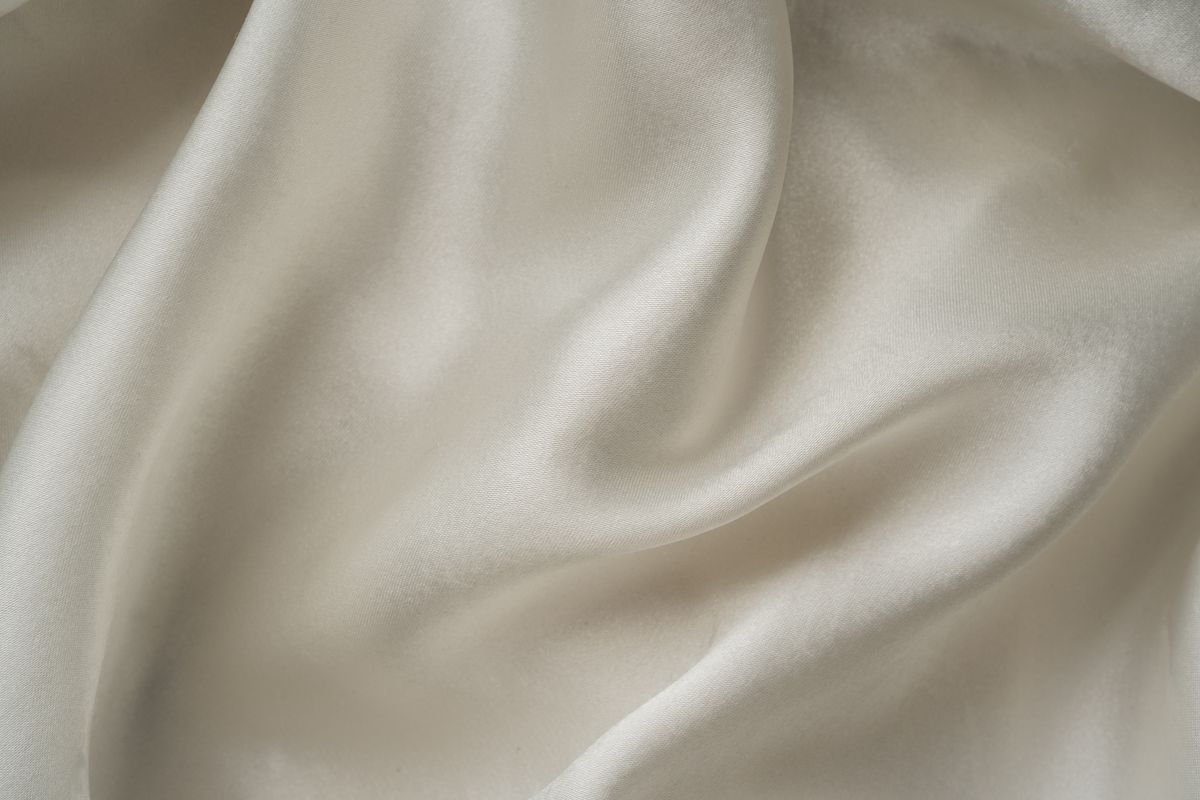
Silk, particularly 100% silk, is another fabric often suggested for eczema-prone skin. Liverpool, Sydney, dermatologist Dr Jennifer Yip, writing for Skindoc on 15 May 2023, includes silk on her short list, alongside 100% cotton and cotton-rich blends. She also notes a practical limit of plain cotton: it is breathable and usually well tolerated, but it absorbs sweat without wicking it, so a saturated cotton T-shirt can sit wet against the skin. A little polyester in a cotton-rich blend can help move moisture, which is one reason "100% cotton only" is a useful starting rule rather than a lifelong ban on every blend.
Wool needs more care than a blanket "never wear it" rule. ASCIA's warning is about prickly fabrics, and many people with eczema find a standard wool jumper unbearable against the neck or wrists. Fibre diameter is the usual explanation. Dr Yip wrote that standard wool of 35 to 40 microns can irritate eczema-prone skin, whereas merino of 12 to 21 microns is thinner and tends not to. If you want to try merino, choose a superfine next-to-skin layer, wear it over a cotton singlet first if you are unsure, and stop if it itches. A coarse overcoat worn over other clothes is a different test from a scratchy scarf on bare skin.
Synthetics, stretch and "bamboo" labels
Polyester, nylon and elastane are not automatically unsafe, but they change how heat and sweat behave. A tight yoga legging or a stretch waistband increases friction in exactly the zones where clothing dermatitis appears. Elastane (also sold as spandex or Lycra) is often a small percentage of a cotton or nylon blend; the percentage on the label is worth reading, because a garment that is 20% elastane will cling more than one that is 3%. Rubber and rubber accelerators in elastic can also cause a contact allergy, again usually in a band-shaped pattern.
Rayon, viscose, modal and lyocell are regenerated cellulose fibres, made from wood pulp or other plant material that has been chemically processed into a filament. They can feel smooth and cool, which is why they are common in linings and in cloth marketed as bamboo. "Bamboo" on a swing tag is often viscose derived from bamboo, not a fabric woven from raw bamboo fibre. Dr Yip recommends viscose bamboo and lyocell (including the Tencel brand) as breathable options. Treat those claims as a starting point, not a medical guarantee: a viscose lining can still carry dye, and a tight viscose dress can still rub.
That lining point matters when you shop, including in wholesale ranges aimed at Australian retailers. A cotton-linen midi dress listed by Style State, for example, has a main cloth of 70% cotton and 30% flax (linen), which sits comfortably with DermNet's natural-fibre advice, but the lining is 100% rayon. Anyone with reactive skin should read both lines, because the lining is what sits against the torso.
Formaldehyde, dyes and what Australian guidance allows
Wrinkle-resistant and easy-care finishes are a frequent source of clothing allergy because many of them are formaldehyde resins. Formaldehyde can sensitise skin. It is also used more widely in textile production. You will not see a milligrams-per-kilogram figure on a domestic clothing label, but Australian product-safety guidance does set indicative concentrations below which the ACCC has said there are not current safety concerns.
ACCC Product Safety published that guidance on 21 October 2014. For formaldehyde in clothing, textiles and clothing finishes, the figures are 30 mg/kg (0.003% by weight) for infants' clothing and clothing specifically marked for individuals with sensitive skin; 100 mg/kg (0.01%) for other garments that contact the skin; and 300 mg/kg (0.03%) for other garments or fabrics. Those numbers are guidance for suppliers, not a promise that every garment on a rack has been tested.
The same document lists 22 hazardous aromatic amines that can be released from certain azo dyes in clothing, textiles and leather. For articles in direct and prolonged contact with skin or the mouth, the indicative concentration, for each listed amine, is 30 mg/kg. The health concern in that table is longer-term and includes carcinogenicity, which is why the guidance exists, but the practical shopper's step is still the same: prefer paler cloth, be cautious of "wash separately" dye warnings, and wash new garments before they are worn.
How did official formaldehyde advice change?
An earlier ACCC media release, dated 23 August 2007, is useful for that last habit. Then chairman Graeme Samuel said: "Formaldehyde is often used in the production process for clothing and other textiles. However, formaldehyde is both soluble in water and volatile and very little, if any, residual formaldehyde should remain in final textile products." In the interim, the ACCC used a European benchmark of 30 parts per million for infant garments, 75 ppm for garments that contact the skin, and 300 ppm for other garments or fabrics. Note that the later 2014 guidance uses 100 mg/kg, not 75 ppm, for skin-contact clothing. The consumer advice from 2007 still holds as a precaution: if you are concerned, wash or clean the garment as the manufacturer directs and air it thoroughly before you wear it.

What should you look for on a clothing label?
Start with the fibre list, including the lining, interfacing and any trim that will touch skin. A dress described as cotton-linen may still have a synthetic lining, as in the Style State example above. A pair of "cotton" jeans may include elastane in the fabric and a nickel-plated stud at the waist. If you react in a neat patch under a fastener, cover the metal with a cloth plaster or choose a garment with plastic or coated hardware.
Then read the care and marketing words. "Non-iron", "wrinkle-free", "easy-care" and "dirt-repellent" are flags for chemical finishing. "Wash separately" or "dye may run" is a flag for loosely bound colour. Pale and undyed cloth is not a fashion rule; it is a way of lowering the dye load. Loose cuts reduce the rubbing that DermNet links with worse dermatitis in heat and humidity.
Wash the garment before the first wear, using a fragrance-free, dye-free detergent if soap and perfume already irritate your skin. ASCIA's basic eczema routine is twice-daily moisturiser, trigger avoidance, and prompt treatment of flares; clothing choices sit inside that trigger list, not in place of medical care. Skip fabric softener if it leaves a residue you can feel, and avoid overheating, including thick synthetic gym layers worn for long periods in a warm room.
If you need a formal outfit, keep the next-to-skin layer in a known-safe cloth (a cotton or silk camisole, a cotton shirt under a jacket) and let the more treated or heavily dyed piece sit off the skin. The same logic applies to swimwear and activewear: a brief spell in a stretchy nylon suit is different from all-day wear of the same fabric under a waistband.
A fabric shortlist and the rules behind it
The tables below gather the fibre advice and the Australian chemical guidance in one place. They are a shopping aid, not a diagnosis.
| Fabric or feature | For sensitive or eczema-prone skin | Why |
|---|---|---|
| Cotton and linen, loose and pale | Prefer as a next-to-skin starting point | DermNet's first-line prevention advice; usually less dye in pale cloth |
| 100% silk | Often well tolerated | Listed by Dr Yip as a good eczema fabric |
| Cotton-rich blend with a little polyester | Useful if plain cotton stays wet | Cotton absorbs; a small synthetic share can help wick sweat |
| Superfine merino (about 12 to 21 microns) | Trial cautiously, off the skin first if unsure | Finer than standard wool of 35 to 40 microns, which can scratch |
| Coarse or prickly wool, scratchy scarves | Avoid next to skin | ASCIA lists prickly fabrics as an eczema irritant |
| Tight polyester, nylon or high-elastane layers | Limit next-to-skin, all-day wear | Friction, heat and trapped sweat; elastic can also cause a contact allergy |
| Viscose, rayon, lyocell, "bamboo" | Judge the actual fibre and the cut | Often a regenerated cellulose fibre; still check dye, lining and fit |
| "Non-iron", "dirt-repellent", "wash separately" | Treat as caution labels | Suggests formaldehyde-type finishes or loosely bound dye |
| Jean studs, bra hooks, belt buckles | Cover or swap if a mark sits under the metal | Common source of nickel dermatitis |
Source: DermNet, Textile contact dermatitis; ASCIA, Eczema (Atopic Dermatitis) Fast Facts, updated June 2023; Dr Jennifer Yip, Skindoc, 15 May 2023.
Australian chemical limits at a glance
| Chemical or finish | Indicative level below which ACCC guidance records no current safety concern | Where it applies |
|---|---|---|
| Formaldehyde | 30 mg/kg (0.003%) | Infants' clothing, and clothing marked for sensitive skin |
| Formaldehyde | 100 mg/kg (0.01%) | Other garments that contact the skin |
| Formaldehyde | 300 mg/kg (0.03%) | Other garments or fabrics |
| Each of 22 listed aromatic amines from certain azo dyes | 30 mg/kg (0.003%) | Clothing, textiles and leather in direct, prolonged skin or oral contact |
Source: ACCC Product Safety, Safety guidance on concentrations of particular chemicals in certain consumer goods, 21 October 2014. These are supplier guidance figures, not a test result for any individual garment. A 23 August 2007 ACCC release used an interim European skin-contact benchmark of 75 ppm, later superseded by the 100 mg/kg figure above.
When a rash needs a doctor
Stop wearing the suspected garment and see whether the rash settles. Mild redness often fades once contact ends. Over-the-counter hydrocortisone is sometimes used for itch and inflammation, but that is a short-term step, not a plan for a chronic rash, and it is not suitable on every body site or for every age. If the skin looks infected, or you are unsure, ask a pharmacist or GP first.
ASCIA says to see a doctor if eczema does not improve within a week, or if you are unwell with a fever. A GP can treat a flare and, if a clothing allergy seems likely, refer you to a dermatologist for patch testing. DermNet notes that testing may involve a wide set of chemicals, and that it is often hard to name the exact culprit because modern textiles are finished with mixed dyes and resins. Taking the garment, or a cutting, to the appointment is more useful than trying to guess the dye class from the colour.
Clothing will not, on its own, treat eczema. The core routine remains moisturiser, trigger control and prescribed treatment for flares. Choosing a looser cotton layer, skipping the non-iron shirt, covering a nickel stud and washing new clothes are the parts of that routine you can control in a shop and a laundry.
Key takeaways
- Allergic clothing rashes are more often caused by dyes, formaldehyde resins and metal fasteners than by the fibre, according to DermNet.
- ASCIA includes prickly fabrics among eczema irritants, and notes that infantile eczema occurs in around 1 in 5 children under two.
- Prefer loose, pale cotton, linen or silk next to the skin; read the lining fibre as well as the outer cloth; wash new garments before the first wear.
- ACCC guidance from October 2014 uses formaldehyde indicative limits of 30 mg/kg for infants' and sensitive-skin clothing, 100 mg/kg for other skin-contact garments, and 300 mg/kg for other fabrics.
- Coarse wool can irritate. Finer merino, around 12 to 21 microns, is a different fabric and may be tolerated, but stop if it itches.
Sources
- DermNet, Textile contact dermatitis.
- Australasian Society of Clinical Immunology and Allergy (ASCIA), Eczema (Atopic Dermatitis) Fast Facts, updated June 2023.
- Dr Jennifer Yip, Clothes to wear if you have eczema, Skindoc, Liverpool, Sydney, 15 May 2023.
- ACCC Product Safety, Safety guidance on concentrations of particular chemicals in certain consumer goods, 21 October 2014.
- ACCC, ACCC tests for formaldehyde in clothing, media release MR 227/07, 23 August 2007.
- Style State, Cotton Linen Shirred Bodice V Waist Midi Dress (SDR1711-2B), composition listed as 70% cotton and 30% flax, lining 100% rayon.