The dental anxiety tips that actually change the visit are mostly administrative, and they start before anyone picks up a handpiece. Name the nerves when you book. Ask for a longer visit. Agree a stop signal. Get a written plan for local anaesthetic and, if you need it, for sedation. Once a tooth is properly numb, most routine work can be finished without moving to gas or a drip. Happy gas, a tablet, IV sedation or a general anaesthetic sit on top of that, each with its own fee, risks and recovery rules.
Tell the clinic before you arrive
Improvising a plan for anxiety on a running list is a poor start. Say that you are anxious when you book, and ask whether a longer appointment is possible. Clinics used to nervous patients will often keep the first visit to a conversation, an examination and a plan, and leave treatment for a later day if that is what you want.
Ask, at that first call or in the online form, about:
- A longer appointment, so you are not rushed
- A stop signal, usually a raised hand, that means the dentist pauses as soon as it is safe
- An explanation of each step before it happens
- Numbing gel before the local anaesthetic
- Whether happy gas is available on site, and what it costs
- Whether the clinic refers out for IV sedation or a general anaesthetic if you need more than they can provide
Preferred-provider arrangements with a health fund can change what you get back, but they do not change the need for a clear quote. If you have a medical condition, take a current medicine list, and mention pregnancy, asthma, a blocked nose or any previous reaction to sedation.
What to do on the day
Australian clinics that publish advice for anxious patients tend to recommend the same practical steps, unless your own dentist has given different fasting or medicine instructions.
- Eat a light meal beforehand if you are not fasting. Low blood sugar can make you feel worse.
- Avoid extra caffeine on the morning of the visit.
- Arrive a few minutes early so you are not rushing through the car park.
- Bring a support person if that helps, and check whether they can sit with you.
- Have a simple breathing pattern ready: a slow exhale, longer than the inhale.
- Plan something calm afterwards, rather than a packed work afternoon, if you can.
If you are having oral sedation, IV sedation or a general anaesthetic, the rules change. You will usually need to fast, and you will need a responsible adult to take you home and stay with you. Do not drive. One Melbourne clinic, SIA Dental, tells patients to avoid food for 6 to 8 hours before moderate or deep sedation, to reduce the risk of nausea and aspiration. Follow the written instructions from the clinic that is treating you, not a generic list.
Leave the headphones decision to the dentist. Some people like music. Some find they want to hear what is happening. There is no single right answer, and you can change your mind once you are in the chair.
In the chair: stop signals and local anaesthetic
The stop signal should be agreed before the first injection, not after you are already tense. A raised hand is the usual method. The dentist should pause as soon as it is safe, then say what comes next. Ask for every step to be explained if that helps you. Ask for the minimum commentary if you would rather not hear a running account.
Local anaesthetic is still the basis of pain control for most fillings, extractions and simple surgery. Ask for topical numbing gel before the injection if that helps you. If a tooth is not numb, say so. Treatment should not continue on a tooth you can still feel.
A stop signal does not make you difficult. It is a standard way to keep control in the room. Use it if you need a break, a suction change, or a moment to breathe. Then start again when you are ready.
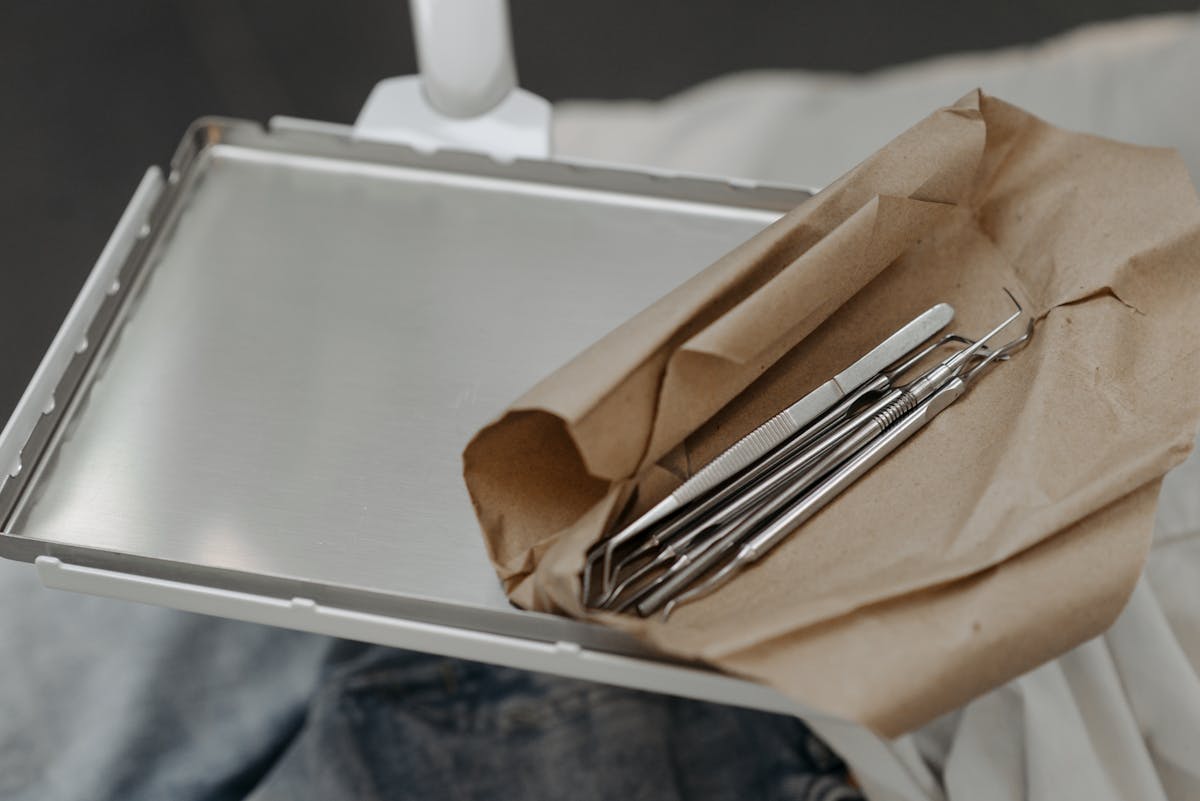
What sedation options are available?
A dentist who will listen is still the starting point. Sedation does not replace that, and it is not suitable for everyone. Policy Statement 6.33 from the Australian Dental Association treats nitrous oxide as a form of minimal sedation that only a trained dentist should independently administer. You remain conscious and able to respond.
Clinics in Australia usually describe four levels, with published fee ranges that vary widely. The figures below are examples from clinic websites checked on 18 November 2026, not a national fee schedule.
| Option | What it usually feels like | Published extra fee (examples) | Recovery and travel |
|---|---|---|---|
| Nitrous oxide (happy gas, often item 943) | You stay awake, can talk, and the effect fades once the gas is stopped | Smile Solutions: $80 to $250 a visit. Dentistry at the Cross, Sydney: from $85. SIA Dental, Essendon: from $115 | Often short. Smile Solutions says you can usually drive home |
| Oral sedation (a prescribed tablet, often a benzodiazepine) | Drowsy, calmer, you may remember little of the visit | Smile Solutions: $150 to $400 a visit. Some clinics include it in the treatment fee | Several hours. You cannot drive. You need an escort |
| IV (twilight) sedation | Deeper relaxation, often little or no memory of the procedure | Smile Solutions: $500 to $1,500 a session | Supervised recovery, then rest. No driving for 24 hours, with an escort |
| General anaesthetic | You are unconscious, usually in a hospital or licensed facility, with a specialist anaesthetist | Smile Solutions: $1,500 to $3,500 or more a session | Longer recovery. A responsible adult must take you home and stay with you |
Source: Smile Solutions, "Sleep Dentistry Costs", Dentistry at the Cross, "Happy gas sedation cost", and SIA Dental, "A Complete Guide to Sedation Dentistry", all accessed 18 November 2026. Fees are additional to the dental treatment unless a clinic says otherwise, and they change.
Nitrous oxide mixed with oxygen, breathed through a small nose mask, is what clinics mean by happy gas. Mild to moderate anxiety, and shorter visits, are the usual setting for it. A blocked nose, pregnancy and some breathing conditions are commonly listed as reasons it may not be used. Nausea, vomiting or a headache can follow. Those points should be gone through before the mask goes on.
If happy gas is not enough, or not suitable, ask about a referral. Azure Dental in Perth, for example, provides oral and IV conscious sedation on site and states that neither is a general anaesthetic, and that a responsible adult must accompany you for both.
What will it cost, and will a health fund help?
Happy gas is usually a separate fee, billed as ADA item 943 or described that way by the clinic. Health funds may pay part of it, depending on your policy, your remaining limits, and whether the dentist is a preferred provider. They often pay less, or nothing, towards IV sedation or a hospital general anaesthetic. Ask the clinic for an itemised quote, then call your fund with the item numbers before you book.
Do not rely on a website range as a quote. A longer surgical visit costs more than a short filling, and anaesthetist, facility and pathology fees can be billed separately. Get the figure in writing.
Here is a simple illustration, not a quote. Suppose a clinic quotes $250 for a filling and $150 for happy gas, within the published ranges above. The visit is then $400 before any health-fund rebate. If the same filling is done under IV sedation at an extra $800, the day costs $1,050 plus the dentist's fee, and you need an escort. Ask the clinic to price both paths on one sheet, with item numbers, so you can call your fund once.
If you need a lot of treatment and you are anxious, it can be reasonable to group work into fewer, longer visits under sedation, or to spread it out with local anaesthetic only. There is no single cheaper path. Ask for both options.
Cautions before you use sedation
Happy gas is usually the lightest option, but it is still a medicine. Tell the dentist if you are pregnant, have a chest or sinus problem, have a blocked nose that day, or have had nausea with nitrous oxide before. The dentist should take a medical history before the mask goes on.
Oral and IV sedation, and a general anaesthetic, have a longer list of cautions. They can interact with other medicines, and they affect your breathing and blood pressure. That is why a medical history, and sometimes a GP letter or blood tests, may be required first. Azure Dental in Perth notes that GP letters or pathology, if required, may attract separate charges, and that sedation risks are discussed before you consent.
If you have had a panic attack in a dental chair before, or you have been avoiding care for years, say that in the first call. The clinic may start with a short visit and no treatment, which is a reasonable first step, not a wasted appointment.
Why putting the visit off usually costs more
Putting the visit off is common, and it is understandable. Decay, cracked fillings and gum disease do not wait until you feel ready, which is the practical problem. Delayed for a year, a small filling can become a root canal, an extraction, or an infection that needs urgent care. That work is harder to face and usually dearer. Pain, swelling, fever or difficulty swallowing is a reason to call the same day, not to wait for a perfect plan.
You do not have to agree to a full-mouth treatment plan on the first visit. You can ask the dentist to deal with pain first, then schedule the rest in a way you can manage, with or without sedation. A staged plan is still a plan.
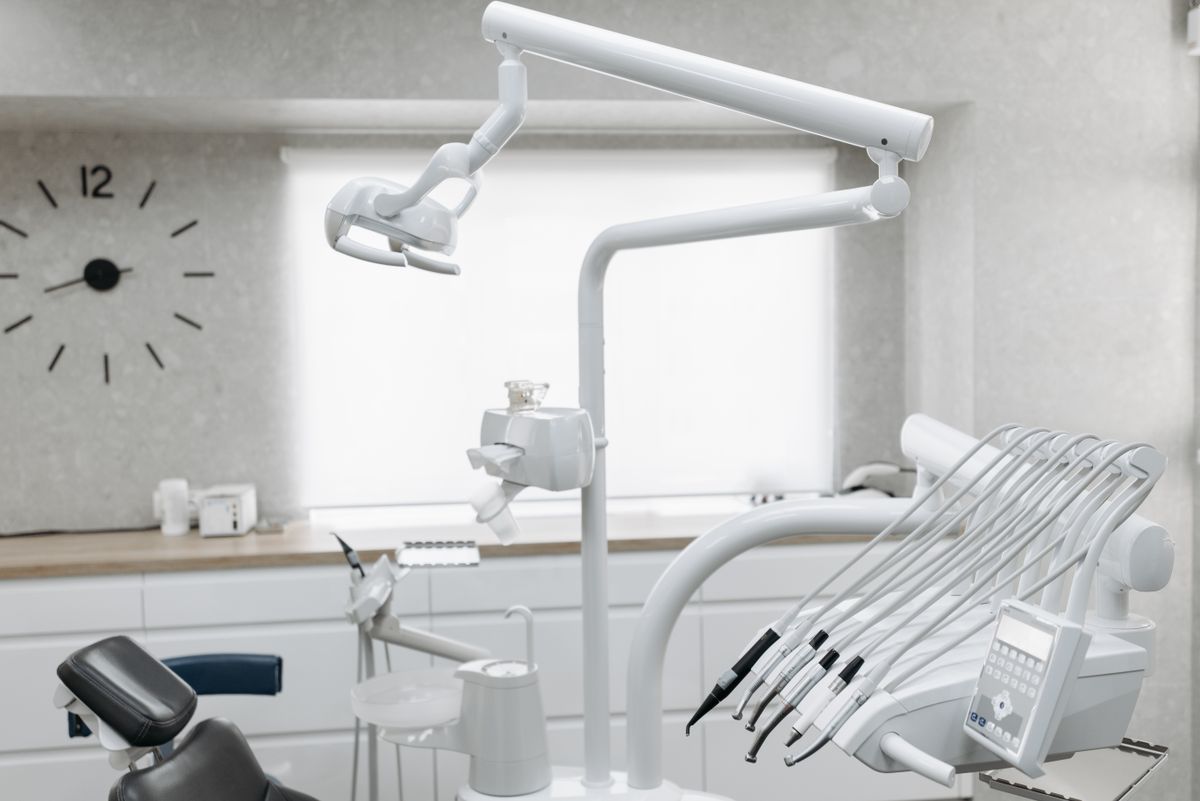
How to choose a clinic
Willingness to plan the visit with you, to publish or quote a clear sedation fee, and to refer you on if they cannot offer the method you need, is what to look for in a clinic. An unhurried first appointment is a better sign than a marketing page that only talks about "sleep dentistry".
If you are in western Sydney, Penrith Dental Clinic is one place to start a conversation about treatment and about what support they can offer anxious patients. If you are elsewhere, ask your usual dentist, or ask a GP for a referral, especially if you need IV sedation or a hospital general anaesthetic.
Healthdirect also publishes plain-English guides to common dental procedures and to the cost of dental care, which can help you prepare questions before you sit down.
If anxiety is part of a wider mental health problem, or you have been avoiding the dentist for years because of panic, talk to your GP as well. Sedation can get a set of treatment done. It does not, on its own, solve a longer-term fear.
Putting it together
When you book, name the anxiety and agree a stop signal. Local anaesthetic, and a dentist who will pause when you ask, should be the starting point. Happy gas can be added if you want more help and it is medically suitable. Oral sedation, IV sedation or a general anaesthetic should wait until you have a written quote and a clear recovery plan. Take your medicine list, ask about item 943, and check your health fund before the day. Being fearless is not the aim. Getting the treatment you need, in a way you can repeat next time, is.
Sources
- Australian Dental Association, "Policy Statement 6.33 - Nitrous Oxide Sedation in Dentistry", accessed 18 November 2026, https://ada.org.au/policy-statement-6-33-relative-analgesia
- Smile Solutions, "Sleep Dentistry Costs: What Does Sedation Add to Your Dental Bill?", accessed 18 November 2026, https://www.smilesolutions.com.au/dental-articles/article/sleep-dentistry-costs-what-does-sedation-add-to-your-dental-bill/
- Dentistry at the Cross, "Happy Gas Sedation for Dental Care", accessed 18 November 2026, https://www.dentistryatthecross.com.au/happy-gas/
- SIA Dental, "A Complete Guide to Sedation Dentistry", accessed 18 November 2026, https://www.siadental.com.au/blog/a-complete-guide-to-sedation-dentistry/
- Sandgate Family Dental, "Dental Anxiety Management", accessed 18 November 2026, https://sandgatedental.com.au/patient-information/dental-anxiety
- Azure Dental, "Sedation Dentistry in Inglewood, Perth", accessed 18 November 2026, https://azuredental.com.au/dental-sedation/
- healthdirect, "Guide to dental procedures" and "Cost of dental care", accessed 18 November 2026, https://www.healthdirect.gov.au/guide-to-dental-procedures
- Penrith Dental Clinic, accessed 18 November 2026