A plain chest X-ray takes seconds and delivers about 0.02 millisieverts of radiation. An abdominal CT delivers roughly 400 times that. For most people, choosing between X-ray, ultrasound, CT and MRI comes down to what the doctor needs to see, the radiation involved and what Medicare covers. Bones and chests start with X-ray, soft tissue near the surface suits ultrasound, CT is the fast all-rounder, and MRI gives the finest detail of soft tissue without radiation.
Here's how the four compare on what they show, their dose, how often they're bulk billed and the gap you might face in 2026.
The four scans side by side
| Scan | How it works | Best for | Radiation | Typical time on the table |
|---|---|---|---|---|
| X-ray | A brief beam of X-rays through the body | Fractures, chest, joints, teeth | Low | Minutes |
| Ultrasound | High-frequency sound waves and echoes | Pregnancy, abdomen, pelvis, tendons, veins, thyroid | None | 15 to 45 minutes |
| CT | Many X-ray images combined by a computer into slices | Trauma, head bleeds, lungs, abdomen, complex fractures | Moderate to high | A few minutes |
| MRI | A strong magnet and radio waves | Brain, spine, nerves, ligaments, cartilage, some cancers | None | 20 to 60 minutes |
Source: InsideRadiology, Royal Australian and New Zealand College of Radiologists; ARPANSA (accessed November 2026).

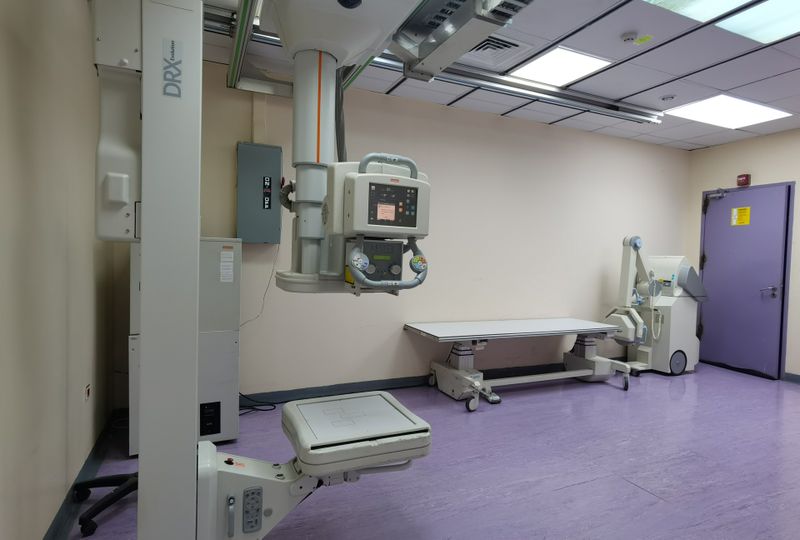
X-ray: the quick first look
General X-ray is still the most common imaging test in Australia because it's cheap, fast and very good at showing dense structures. A suspected broken wrist, a cough that won't settle, a sore hip in an older adult or a swallowed coin in a toddler will usually start here.
Its limits are soft tissue. A plain film shows that a knee joint space has narrowed, but it can't show a torn meniscus. For that, a doctor moves to ultrasound or MRI.
Cost and bulk billing
X-ray has one of the highest bulk billing rates. Medicare figures for July to September 2026, reported by Imaging Finder, show 82% of Medicare-funded X-rays were bulk billed. Where a clinic charges privately, indicative full fees run from about $70 to $300, with gaps typically between nothing and $120.
Ultrasound: no radiation, but the most likely to cost you
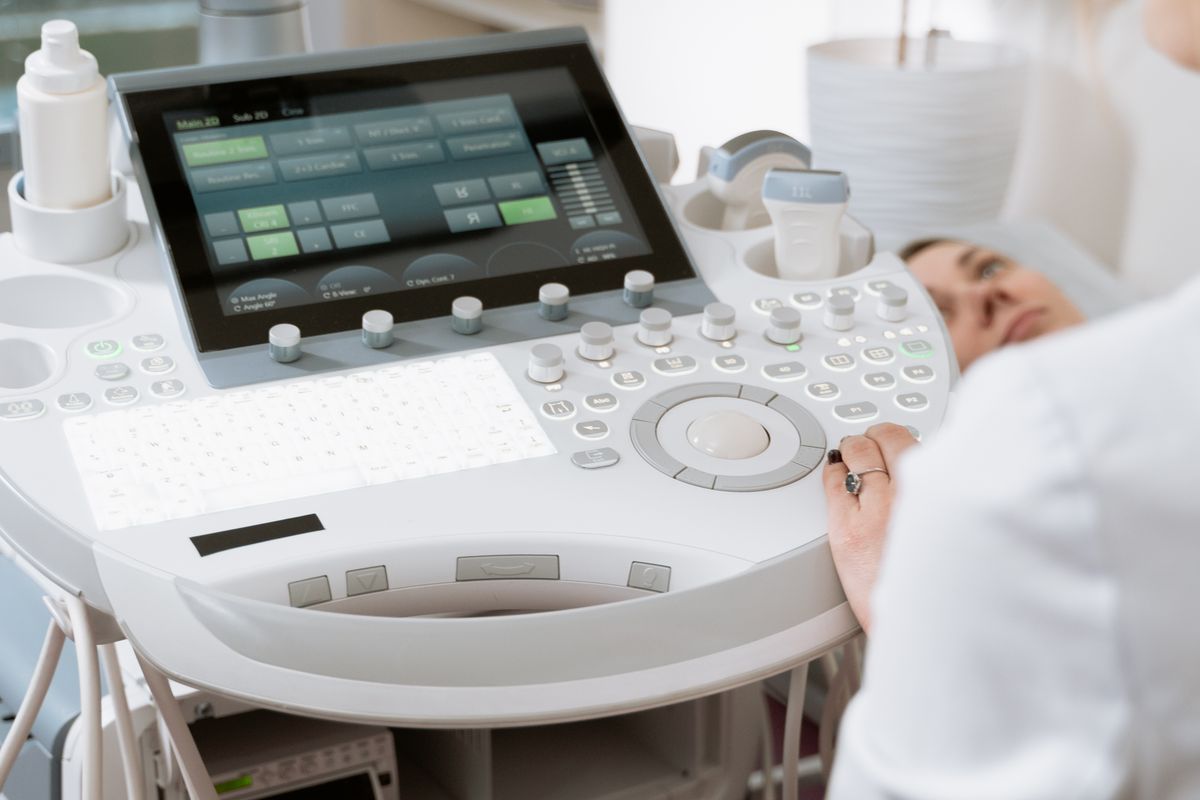
Ultrasound sends sound waves through a gel-coated probe and builds a moving image from the echoes. It suits pregnancy, gallstones, kidneys, the thyroid, blood clots in leg veins, and shoulder or Achilles tendons. It's safe in pregnancy and for children because there's no ionising radiation.
What it can't do well is see through air or bone, so it's poor for lungs and the inside of the skull. Quality also depends heavily on the sonographer's skill, which is why some practices do better ultrasound than others.
Why ultrasound so often has a gap
Medicare pays a benefit for almost any ultrasound a doctor requests. Clinics just choose to bulk bill it less often than any other scan. In July to September 2026 only 66% of Medicare ultrasounds were bulk billed nationally.
The scan type matters most. Per the Medical Costs Finder data for 2023-24, about 83% of patients paid nothing for a shoulder ultrasound and 80% for an abdominal scan. Only 43% paid nothing for pregnancy scans at 12 to 16 weeks or 17 to 22 weeks.
| State or territory | Ultrasound bulk billed, Jul to Sep 2026 | Average gap when charged (outside hospital) |
|---|---|---|
| NT | 78% | $176 |
| VIC | 73% | $151 |
| NSW | 70% | $134 |
| SA | 65% | $177 |
| QLD | 57% | $144 |
| WA | 56% | $112 |
| TAS | 47% | $165 |
| ACT | 29% | $165 |
| Australia | 66% | $141 |
Source: Department of Health, Disability and Ageing Medicare statistics (published 16 November 2026), as compiled by Imaging Finder.
Take a worked case. An abdominal ultrasound carries a Medicare Schedule fee of $131.00. A clinic that bulk bills receives 95% of that, $124.45, and you pay nothing. If the clinic bills privately, you get $111.35 back and pay whatever it charges above that.
What is a CT scan and when is it used?
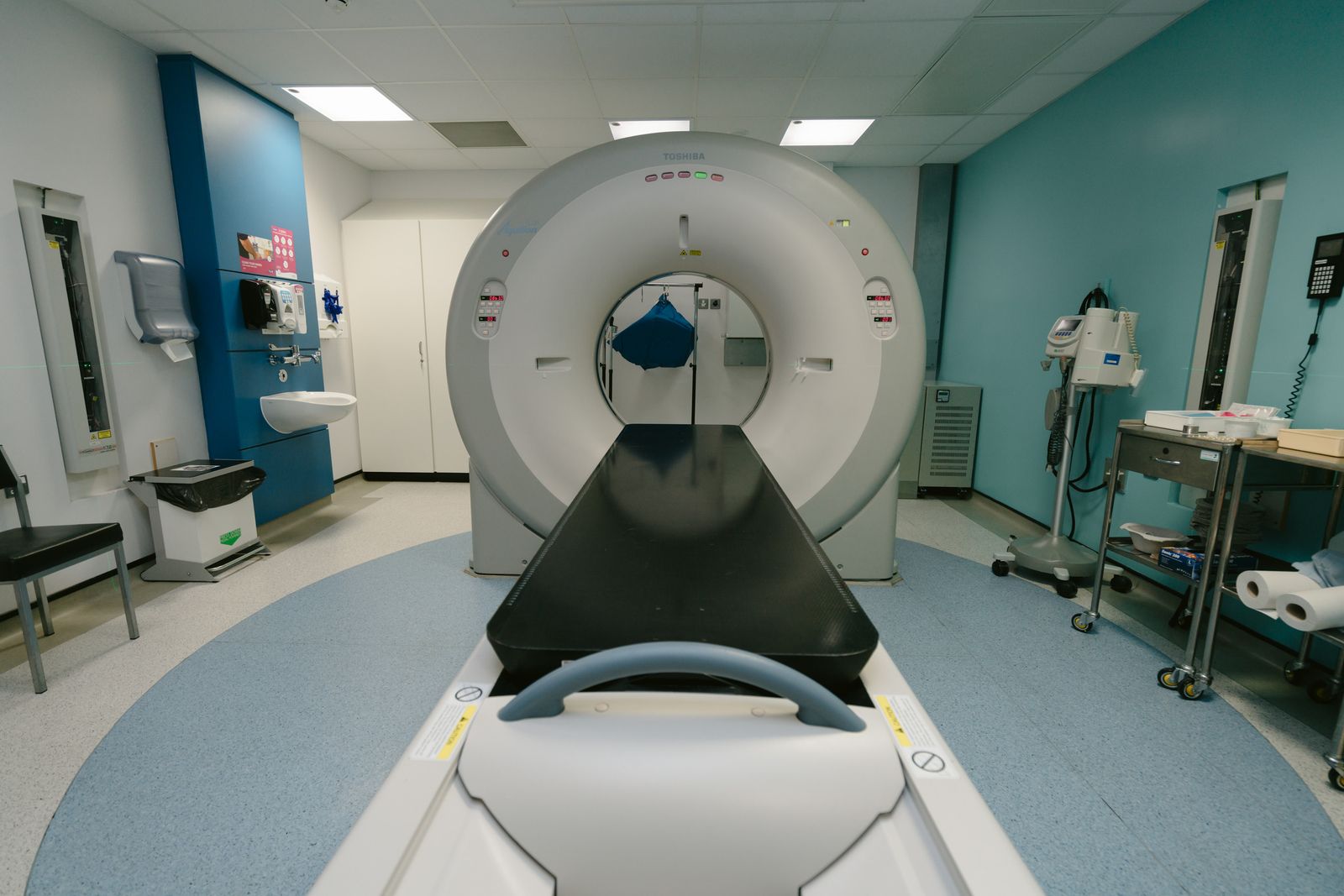
Computed tomography rotates an X-ray tube around you and builds cross-sectional slices, which the radiologist can then reconstruct in any plane. It's the workhorse of emergency departments. CT will show a brain bleed after a fall, a kidney stone, appendicitis, a pulmonary embolism or a complex pelvic fracture in a few minutes.
Some CTs use an iodine-based contrast injected into a vein, which makes blood vessels and organs stand out. You may be asked about kidney function, diabetes medicines and allergies beforehand.
The radiation question
CT gives a far larger dose than plain X-ray, and that's the main reason doctors don't order it casually. Australians receive about 1.7 mSv a year from natural background radiation, according to ARPANSA. Its patient guide puts typical doses like this:
| Examination | Typical effective dose | Roughly equal to natural background of |
|---|---|---|
| Chest X-ray | 0.02 mSv | A few days |
| Head CT | 2 mSv | About 1 year |
| Chest CT | 7 mSv | About 4 years |
| Abdominal CT | 8 mSv | About 5 years |
| Ultrasound or MRI | 0 mSv | None |
Source: ARPANSA, "Having a scan? A guide to medical imaging" and background radiation page (accessed November 2026).
Children are more sensitive to radiation, so paediatric CT protocols use lower settings and doctors look harder at alternatives. ARPANSA publishes a separate guide for parents on what to ask.
CT cost
CT had the highest bulk billing rate of the four, at 85% in July to September 2026. If you're charged, indicative full fees are $300 to $800 and gaps commonly run from $100 to $400, depending on the body part and whether contrast is needed.
MRI: the most detail and the most rules
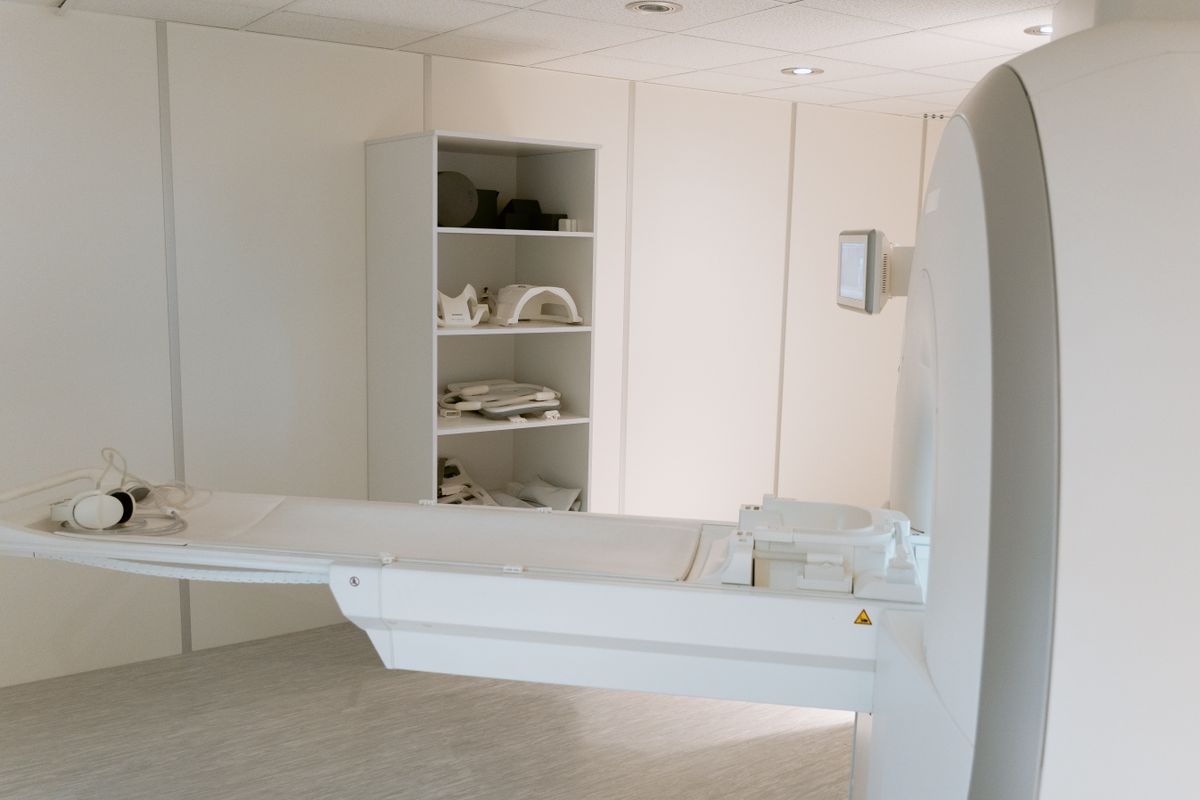
MRI uses a powerful magnet and radio pulses to map the water in your tissues. It's the best tool for the brain and spinal cord, discs pressing on nerves, knee ligaments and cartilage, the prostate, and many cancers that need staging. There's no ionising radiation at all.
The trade-offs are time, noise and the magnet. Scans usually take 20 to 60 minutes inside a narrow tunnel, and some people find that hard. Pacemakers, cochlear implants, certain aneurysm clips and metal fragments in the eye can rule MRI out or need special checks, so expect a detailed safety questionnaire.
Medicare rules for MRI
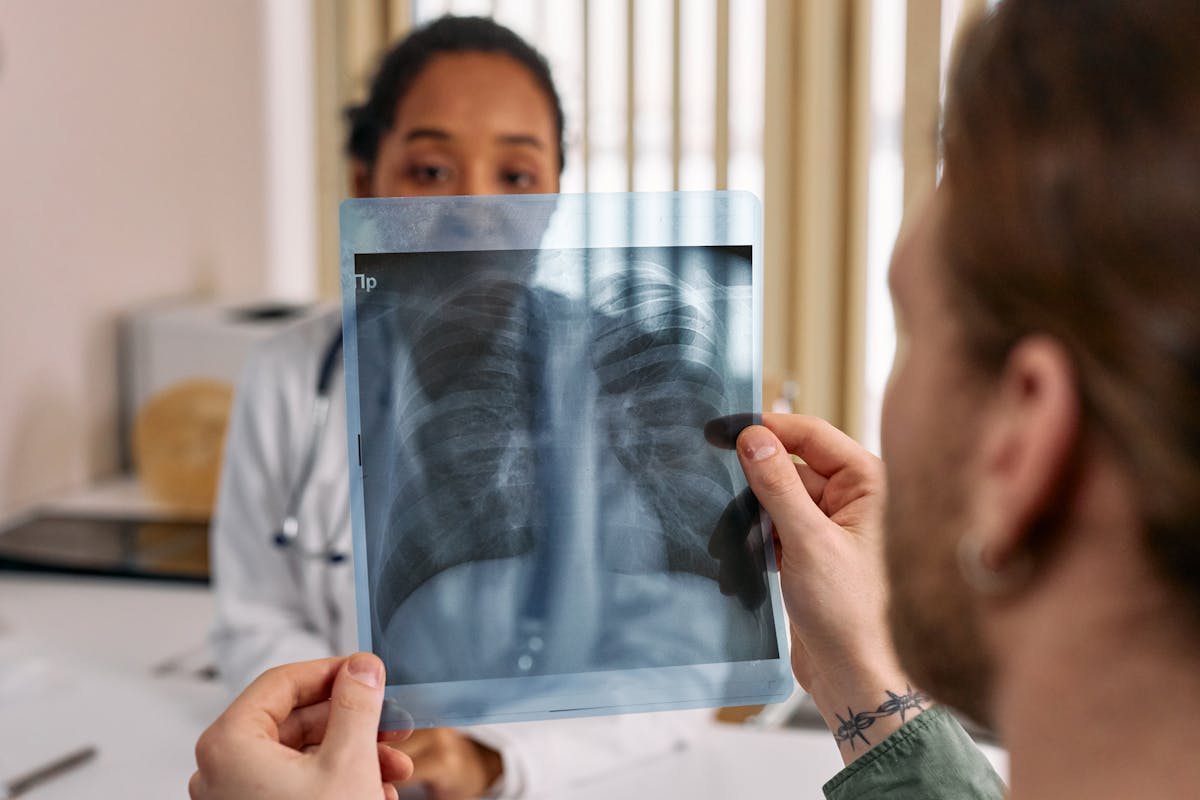
MRI is where cost surprises happen. Medicare only pays when two things line up: the referral fits an eligible item, and the scanner itself is licensed for Medicare. Most eligible MRIs need a specialist referral.
GPs can request a rebated MRI for a short list of conditions. These include unexplained chronic headache with suspected intracranial pathology, neck or back pain with neurological signs, suspected significant back pathology, and, in people up to 50 after acute trauma, knee findings that suggest an ACL or meniscal tear. Sydney practice Vision XRAY Group lists the conditions that qualify for a GP-referred MRI in full, which is worth reading before your appointment.
Outside those items, you pay the full private fee, commonly $400 to $1,000 or more. When the scan is eligible, 80% of Medicare MRIs were bulk billed in July to September 2026.
Cost summary: what you might pay
| Scan | Indicative full private fee | Typical gap if not bulk billed | Bulk billed, Jul to Sep 2026 |
|---|---|---|---|
| X-ray | $70 to $300 | $0 to $120 | 82% |
| Ultrasound | $120 to $350 | $0 to $150 | 66% |
| CT | $300 to $800 | $100 to $400 | 85% |
| MRI | $400 to $1,000 or more | $200 to $500 or more | 80% |
Source: RadiologyScan cost guide (reviewed July 2026); Department of Health Medicare statistics via Imaging Finder (November 2026).
What private health insurance won't do
By law, private health insurance can't cover out-of-hospital diagnostic imaging. An outpatient gap is yours to pay regardless of your hospital or extras cover. If you're admitted to hospital as a private patient, scans during that stay are handled differently.
The safety net helps heavy users
Your out-of-pocket amounts for scans outside hospital count towards the Extended Medicare Safety Net. In 2026 the threshold is $2,699.10, or $861.20 for concession card holders and families on Family Tax Benefit Part A. Once you pass it, Medicare pays back more of later out-of-hospital costs for the rest of the calendar year.
How do you prepare for each scan?
Preparation is where a lot of rebookings come from, and the instructions on your appointment letter override anything general. Still, the patterns are predictable.
| Scan | Common preparation | Tell staff if you |
|---|---|---|
| X-ray | Remove jewellery and anything metal over the area | Are or might be pregnant |
| Abdominal ultrasound | Often fasting for several hours so the gallbladder is visible | Have diabetes and need to manage fasting |
| Pelvic ultrasound | Usually a full bladder, drinking water an hour beforehand | Can't hold a full bladder comfortably |
| CT with contrast | Sometimes fasting; questions about kidneys and allergies | Have kidney disease, a contrast allergy or take metformin |
| MRI | Safety questionnaire; remove all metal, cards and hearing aids | Have a pacemaker, implant, metal fragments or claustrophobia |
Source: InsideRadiology patient information, RANZCR (accessed November 2026); always follow your clinic's own instructions.
What to bring on the day
Pack the request form, your Medicare card, any concession card and previous scans or reports, whether on disc, film or an online portal link. Comparison images often matter more than people think. A radiologist who can see that a lung spot hasn't changed in two years may write a very different report from one seeing it for the first time.
Getting results
The radiologist reports to the doctor who referred you, typically within a day or two for routine outpatient scans and faster in emergencies. Many practices also let you view images online, but your own doctor is the right person to explain what the report means for you. Book that follow-up appointment when you book the scan, so the results don't sit unread.
Common misconceptions
"An MRI is always better than a CT"
Not for a suspected brain bleed in a trauma bay, a lung nodule or a complex fracture. CT is often faster and more useful there, and in an emergency speed decides it.
"Ultrasound is a lesser scan"
For gallstones, deep vein thrombosis, the thyroid and pregnancy, ultrasound is frequently the first choice and the right one. It just depends more on who's holding the probe.
"You can choose your own scan"
Medicare-funded scans need a request from a doctor, and in some cases a nurse practitioner or midwife. Without one there's no rebate, and a radiologist may still change the protocol if a different scan answers the clinical question better.
How to keep costs down and get the right scan
- Ask your doctor what question the scan is meant to answer. It helps you understand why one test was picked over another.
- Ring two or three clinics and read out the exact scan on the request, such as "ultrasound of the abdomen", then ask whether it's bulk billed for you.
- Mention any concession card. Some groups bulk bill card holders for scans they'd otherwise charge for.
- For MRI, confirm the referral fits a Medicare item and the machine is Medicare licensed.
- Bring previous films or reports so the radiologist can compare and you avoid repeating a CT.
- If cost is a barrier and the scan isn't urgent, ask about a public hospital referral. It's free, but waits depend on clinical priority.
The takeaway
Start from what your doctor needs to see, not the machine. X-ray and CT are quick and widely bulk billed but involve radiation, ultrasound and MRI involve none but carry more cost rules. Before you book, ask the clinic whether your exact scan is bulk billed, and for an MRI, check the referral type first.
Sources
- Imaging Finder, "Are ultrasounds bulk billed? What decides if yours is free", 17 November 2026, accessed 18 November 2026, https://imagingfinder.com.au/bulk-billed-ultrasound-australia/
- RadiologyScan, "What an MRI and CT scan really cost in Australia", reviewed 8 July 2026, accessed 18 November 2026, https://radiologyscan.com.au/cost-of-mri-and-ct-scans/
- ARPANSA, "Ionising radiation and health", accessed 18 November 2026, https://www.arpansa.gov.au/understanding-radiation/radiation-sources/more-radiation-sources/ionising-radiation-and-health
- ARPANSA, "Having a scan? A guide to medical imaging", accessed 18 November 2026, https://www.arpansa.gov.au/sites/default/files/documents/2024-05/patienthandout.pdf
- ARPANSA, "What parents should know about CT scans for children", accessed 18 November 2026, https://www.arpansa.gov.au/understanding-radiation/radiation-sources/more-radiation-sources/ct-imaging-and-children-parents
- Department of Health, Disability and Ageing, "Medical Costs Finder", accessed 18 November 2026, https://www.health.gov.au/resources/apps-and-tools/medical-costs-finder
- Services Australia, "Medicare Safety Net thresholds", accessed 18 November 2026, https://www.servicesaustralia.gov.au/medicare-safety-net-thresholds
- Vision XRAY Group, "Medicare Rebates for GP-Referred MRI", accessed 18 November 2026
- Royal Australian and New Zealand College of Radiologists, InsideRadiology, accessed 18 November 2026, https://www.insideradiology.com.au/